


 Catalog
 Exploded views

















 Honda Marine



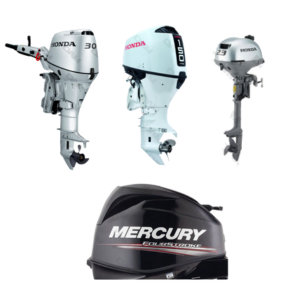





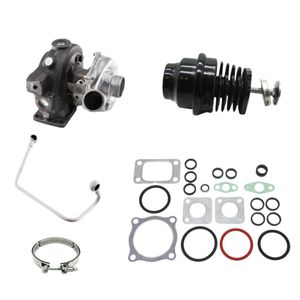

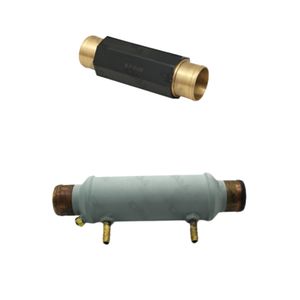
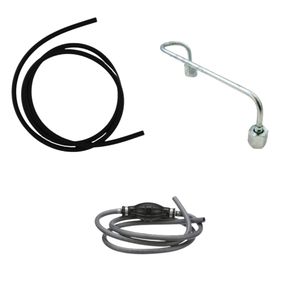







































 Parts views
 Technical documents
 Ask for a quote
 Return request
Find technical products, cleaners and renovation solutions designed for maintaining the wood and deck of your boat.
View technical productsBoat wood maintenance mainly concerns the deck, flooring or teak elements exposed to salt, UV rays and humidity. The right method is to clean without damaging the fibres, let the wood dry, revive it if it is grey or dull, then protect it with a suitable product. Interior woodwork requires gentler maintenance, while a very worn deck may need renovation, re-caulking or partial replacement.
How to maintain the wood on a boat deck or floor?
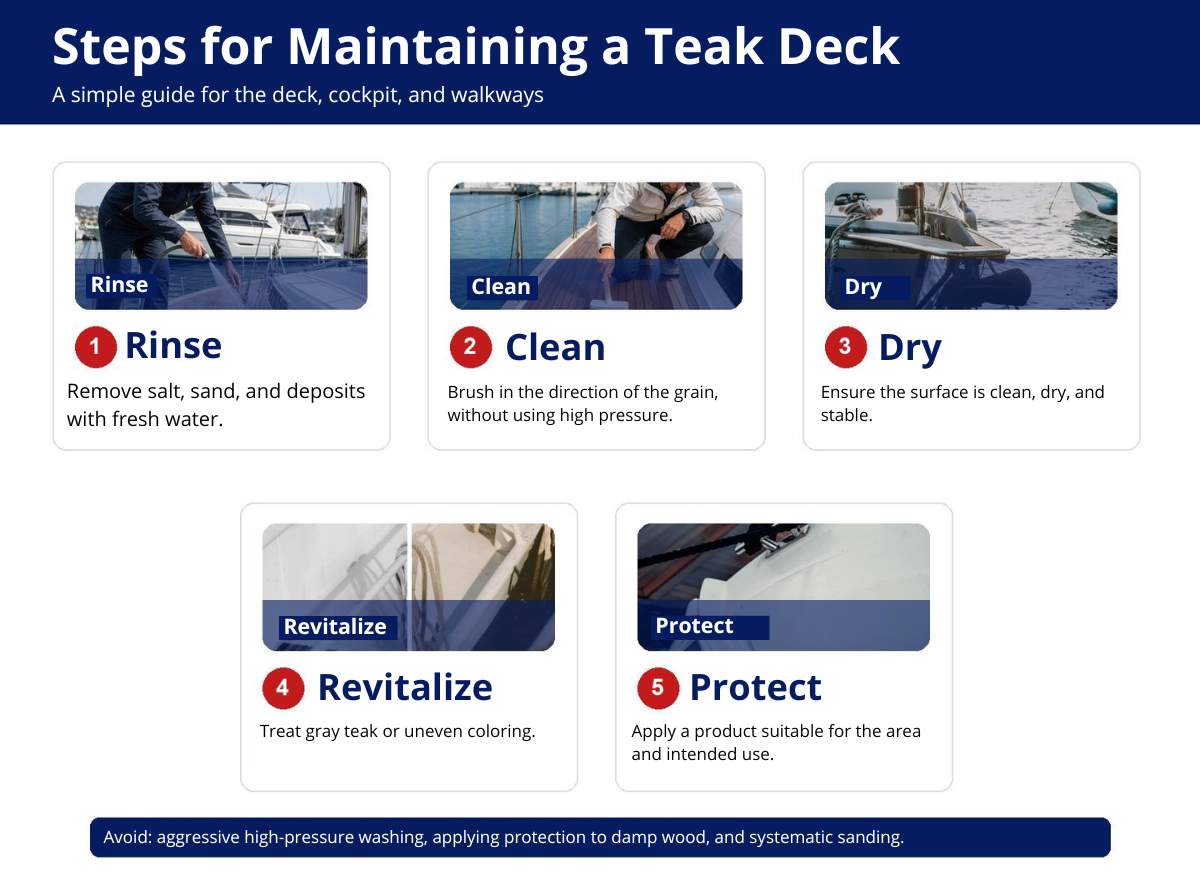
The deck, exterior flooring and teak strips are the first areas to treat, because they are exposed to foot traffic, salt, standing water, UV rays and temperature changes. Effective maintenance starts with gentle cleaning, following the grain, using a soft or medium brush depending on the condition of the wood.
Avoid treating wood that is still damp or loaded with salt. First rinse with fresh water, remove dirt, allow it to dry properly, then apply the renovation or protection product only to a clean, stable surface. On grey but healthy teak, a brightener is often more suitable than aggressive sanding.
Why does teak turn grey?
Greying mainly comes from UV rays, surface oxidation and natural leaching. It does not always mean the wood is deeply damaged.
Should you use a pressure washer?
It is best to avoid it on teak and soft woods. Excessive pressure hollows out the fibres and makes future dirt build-up faster.
Which direction should you brush a wooden deck?
Brush in the direction of the planks and the grain. Crosswise strokes that are too forceful can mark the wood and open up its surface.
Which products should you use to clean and revive teak on a boat?
For a teak deck or boat flooring, the aim is to separate the steps: clean first, revive afterwards, and protect only when the wood is clean and dry. This approach prevents dirt from being trapped under a protective layer and gives a more even finish.
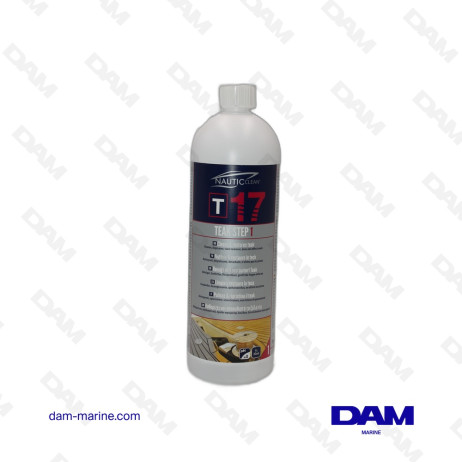
Nautic Clean N17 Teck Step 1 5L
Teak cleaner to use as the first step on dirty decks, flooring or exterior wooden areas.
View product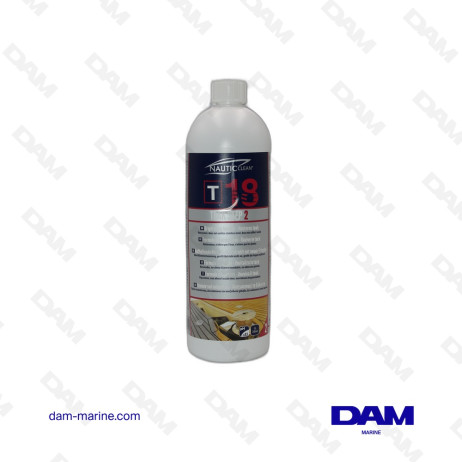
Nautic Clean N18 Teck Step 2 5L
Second step to revive the appearance of teak after cleaning, especially when the wood is dull or greyed.
View product
Sika 290DC Primer 1L
Technical primer used for deck and caulking work, to include in a more advanced renovation.
View product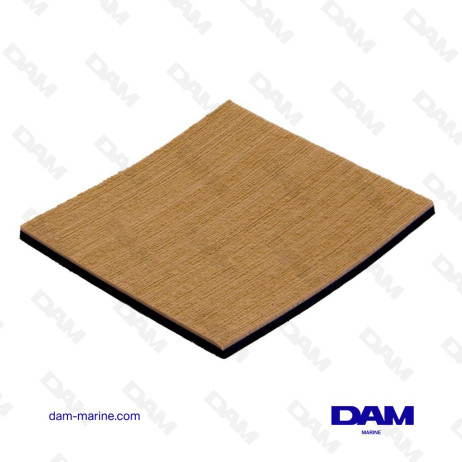
VETUS imitation teak anti-slip covering
Renovation or aesthetic replacement solution for a deck, cockpit or worn traffic area.
View product
VETUS Poly-wood Panel
Durable wood-effect panel, useful for replacing or rebuilding some interior fittings on a boat.
View product| Wood condition | Priority action | Product type | DAM Marine example |
|---|---|---|---|
| Dirty deck or flooring | Deep-clean without damaging the fibres | Teak cleaner | Nautic Clean N17 Teck Step 1 |
| Grey or dull teak | Revive the colour after cleaning | Teak brightener | Nautic Clean N18 Teck Step 2 |
| Deck seams to repair | Prepare the surface before caulking | Primer and caulking products | Sika 290DC Primer |
| Very worn traffic area | Renovate or replace the surface | Anti-slip covering | VETUS imitation teak |
| Interior woodwork to redo | Replace with a suitable panel | Decorative marine panel | VETUS Poly-wood |
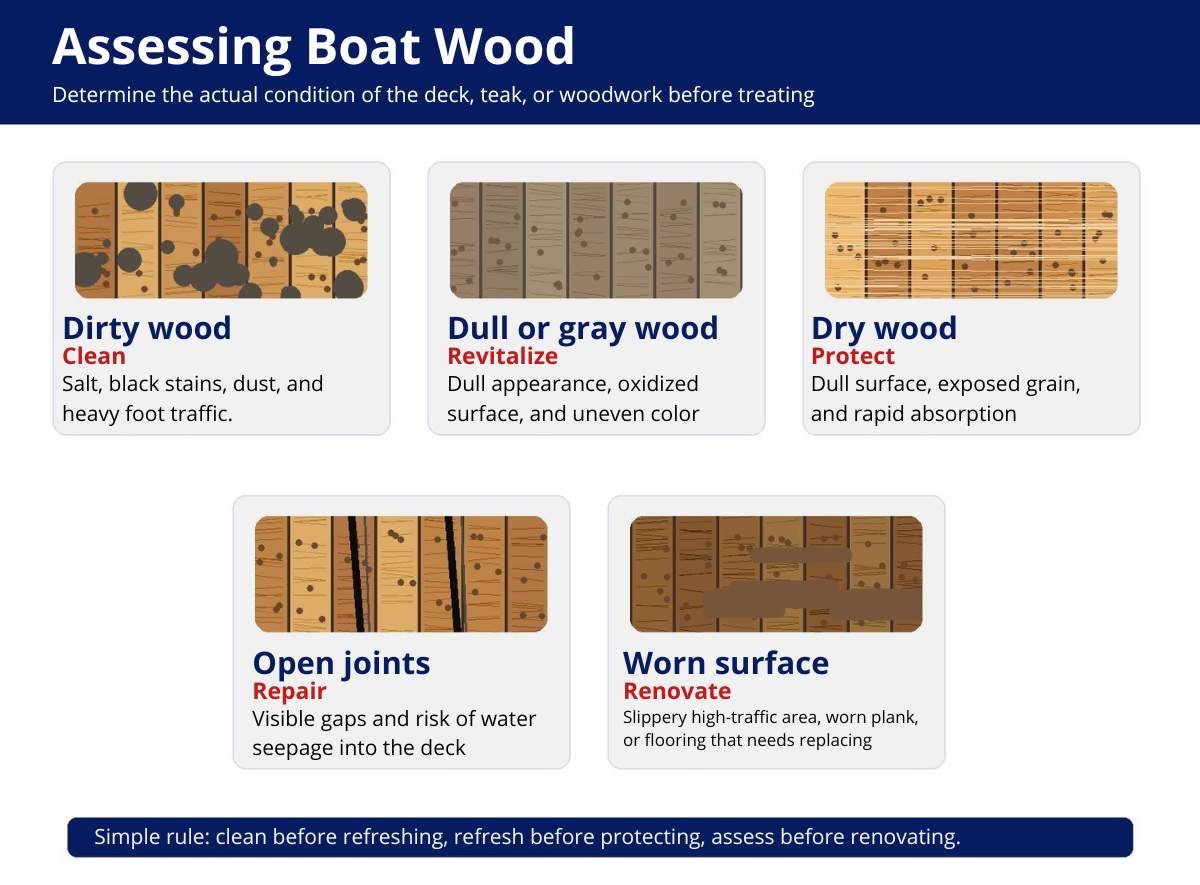
Should you oil, saturate, varnish or revive boat wood?
The right choice depends on the area, the wood species and the desired finish. On a teak deck, maintenance often aims to clean and revive without creating a slippery film. On vertical woodwork, a handrail or an interior element, oil, saturator or varnish can serve a different purpose.
When should you use a cleaner?
When the wood is dirty, blackened or loaded with salt. This is the basic step before any brightening or protection.
When should you use a brightener?
When the teak is clean but grey, dull or uneven. A brightener helps restore a warmer tone.
When should you use varnish?
Preferably on protected or vertical woodwork. On a deck, a hard film can become slippery and require more maintenance.
One simple rule helps avoid mistakes: never protect wood that is dirty, damp or salt-contaminated. Protection does not replace cleaning; it comes afterwards, on a sound surface.
Need products to clean, revive or renovate the exterior surfaces of your boat?
View boat maintenanceHow should maintenance be adapted to the wooden areas of the boat?
Wood maintenance on a boat is not only about the hull. Most needs concern the deck, flooring, cockpit, steps, tables, handrails, interior panels and fittings. Each area has a different level of exposure and stress. To identify them more easily before starting work, our guide to the different parts of a boat can help you locate the areas that need checking.
How do you maintain the deck, cockpit or a teak platform?
These areas require regular cleaning with fresh water, measured brushing and brightening when the colour becomes too grey or uneven. The aim is to maintain grip, limit dirt build-up and preserve the fibres.
How do you maintain exterior vertical woodwork?
Handrails, frames, rubbing strakes and cockpit elements can receive longer-lasting protection if the surface allows it. However, you must check the condition of the existing film: cracked varnish, for example, must be repaired before it lets water penetrate under the finish. In harbour, suitable boat fenders also reduce rubbing against the pontoon and help protect wooden areas exposed to repeated contact.
How do you maintain interior woodwork?
Inside, the wood is less exposed to UV rays and salt, but it is still subject to humidity and condensation. Gentle cleaning, good ventilation and monitoring areas near portholes, floors and lockers are essential. If the interior fit-out is too worn, solutions such as VETUS Poly-wood may be considered.
What should you do if the deck or woodwork is badly damaged?
Wood that is simply grey does not necessarily need replacing. However, a deck with open seams, loose planks, soft areas, leaks or loss of grip requires a more technical intervention. You then need to distinguish routine maintenance from renovation. Poor mooring at the dock can also increase impacts and rubbing: it is better to choose suitable mooring lines to keep the boat stable without creating unnecessary stress.
For a worn teak deck, the work may include deep cleaning, local seam repair, light sanding if the thickness allows it, or a covering solution when the surface can no longer be restored. The VETUS anti-slip coverings can help renovate a traffic area, while marine technical products are useful for preparation, bonding, caulking or protection work.
How often should boat wood be maintained?
Frequency depends on exposure, harbour conditions, use and the season. A boat that sails often, is exposed to full sun or is kept in a salty environment will require closer monitoring than a sheltered, rarely used boat.
| Timing | Recommended check | Useful action |
|---|---|---|
| After sailing | Salt, sand, foot traffic marks | Fresh-water rinse and natural drying |
| Start of season | Colour, dirt build-up, seams, slippery areas | Complete cleaning, brightening if necessary |
| Mid-season | High-traffic areas, cockpit, steps | Local cleaning and grip check |
| Winter storage | Humidity, mould, leaks | Cleaning, ventilation and protection before storage |
To complete your seasonal maintenance schedule, you can also read our guides on boat winter storage, preparing the hull gelcoat before winter, the steps to careen a boat and the method to de-winterise a boat in spring.
Which mistakes should you avoid when maintaining boat wood?
The most common mistakes are scrubbing the wood too aggressively, applying protection to a damp surface, or using the same product on every area. Marine wood can withstand the boating environment, but it remains sensitive to overly aggressive treatments.
Applying a product to damp wood
Humidity blocks penetration and can create marks, sticky areas or uneven protection.
Sanding too often
Sanding removes material. On veneer or an old deck, it should remain occasional and measured.
Confusing maintenance with renovation
Dirty wood should be cleaned; structurally damaged wood should be diagnosed before being covered or treated.
Which maintenance should you choose according to the condition of the boat wood?
| Boat area | Common issue | Recommended solution | Useful link |
|---|---|---|---|
| Teak deck / flooring | Salt, dirt, greying | Clean then revive using a two-step method | Nautic Clean N17 |
| Dull teak | Loss of colour, grey surface | Revive after cleaning | Nautic Clean N18 |
| Deck to repair | Seams or technical preparation | Check watertightness and prepare the surfaces | Sika 290DC Primer |
| Cockpit / traffic area | Worn or slippery surface | Renovate with a suitable covering | VETUS anti-slip |
| Boat interior | Worn or damaged panels | Replace certain elements with suitable panels | VETUS Poly-wood |
FAQ on boat wood maintenance
Can teak be left to grey naturally?
Yes, if the wood remains sound, clean and non-slip. Greying is often aesthetic. However, ingrained dirt, mould or damaged seams must be treated.
Should you oil a teak deck after every cleaning?
Not systematically. Oil can change the appearance and require regular follow-up. On a deck, the main aim is to keep the surface clean, grippy and suitable for use on board.
Does a brightener replace a teak cleaner?
No. A brightener is used after cleaning, when the wood has been deep-cleaned but is still dull or grey. On a dirty surface, the result will be less even.
When should a wooden element on a boat be replaced?
Replacement becomes relevant if the wood is soft, deeply cracked, detached, water-damaged or too thin to be restored properly. A visual and mechanical diagnosis remains essential.
Are garden furniture products suitable for boat wood?
Not always. A boat imposes stronger constraints: salt, UV rays, persistent humidity, barefoot traffic and the need for grip. It is better to use products designed for the marine environment.