


 Catalogo
 Viste esplose
















 Honda Marine









 Documenti tecnici
 Schema tecnico
 Richiesta di preventivo
 Richiesta di reso
Surriscaldamento motore barca: cause, diagnosi e soluzioni
Si attiva un allarme temperatura? Iniziate mettendo in sicurezza la barca, riducendo il gas e controllando il flusso d’acqua prima di insistere.
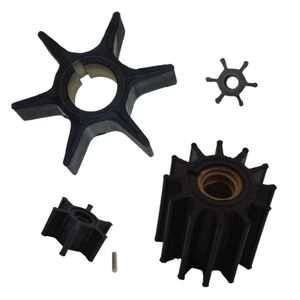
Vedi le girantiIl surriscaldamento del motore barca è un aumento anomalo della temperatura che può derivare da una scarsa circolazione dell’acqua, una girante usurata, un termostato bloccato o un circuito sporco.
La priorità è evitare di insistere: ridurre il gas, controllare lo scarico spia quando presente, poi spegnere il motore se l’allarme persiste.
La diagnosi si effettua per fasi, dalla presa d’acqua fino alla pompa, al termostato, allo scambiatore e ai sensori.
Un surriscaldamento ripetuto deve essere trattato rapidamente, perché può provocare deformazioni, grippaggio o rottura del motore.
Che cos’è il surriscaldamento del motore barca?
Un surriscaldamento del motore barca corrisponde a una temperatura di funzionamento troppo elevata, tale da attivare un allarme, una limitazione del regime o un arresto di sicurezza. Su una barca, il raffreddamento dipende spesso dall’acqua aspirata dall’esterno: se quest’acqua circola male, il motore dissipa meno bene il calore e la temperatura sale rapidamente.
La differenza rispetto a un’auto è importante. Un motore automobilistico lavora soprattutto con un circuito chiuso e un radiatore. Nella nautica, secondo la configurazione, si trovano un circuito ad acqua grezza, uno scambiatore, un filtro, una pompa dell’acqua, termostati e diversi punti sensibili. Per comprendere meglio questa logica, la guida sul funzionamento del circuito di raffreddamento di una barca completa utilmente questa diagnosi.
Quali sono i segnali di un motore barca che si surriscalda?
Un motore barca che si surriscalda invia spesso diversi segnali prima di un guasto serio: allarme sonoro, spia temperatura, calo di potenza, odore di caldo, vapore, scarico spia debole o comportamento anomalo a regime. Questi segnali devono essere presi sul serio, anche se il motore sembra ancora funzionare correttamente. Per interpretare meglio un avviso sul quadro strumenti, la guida per capire le spie della barca può completare la diagnosi.
- Audible alarm or temperature warning light: this is the most direct warning.
- Engine speed that refuses to rise: the engine may go into protection mode. In this case, the guide to boat engine power loss can help cross-check the symptoms.
- Weak or absent tell-tale stream: on engines that have one, it often indicates a circulation issue.
- Smell of rubber, hot plastic or steam: an impeller, hose or exhaust component may be suffering.
- Unusual smoke: if the engine smokes as well as overheating, also consult the guide to a smoking boat engine.
If overheating comes back on every trip, it is usually not a coincidence. The problem often comes from an obstruction, a tired impeller, a seized thermostat, a clogged heat exchanger or insufficient flow under load.
Cosa fare subito se il motore si scalda?
If the engine overheats, the right reaction is to protect the mechanics before trying to get back at all costs. Reduce throttle, move to a safe position, observe the available signs, then shut down if the alarm persists or water flow does not return.
Should you reduce throttle immediately?
Yes. Return to idle, move away from a dangerous area if possible and monitor how the alarm develops. Lower revs reduce thermal load and can prevent the fault from getting worse.
When should you shut down the engine?
Shut down if the alarm continues, if the tell-tale stream remains absent, if an abnormal smell appears or if you do not understand the cause. Continuing for just a few minutes can turn a small fault into a major repair.
What can you check without tools?
Check the water intakes, grilles, presence of seaweed or plastic bags, the tell-tale stream, smells and, on an inboard, the visible strainer, seacock and obvious leaks.
Restarting should only be considered if a simple cause has clearly been removed, for example a visible obstruction. Restart at idle, immediately monitor the alarm and shut down again at the slightest doubt. If you also notice oil traces, an abnormal smell or a visible leak near the engine, read the guide on perdita d’olio su una barca before continuing tests.
Do you suspect the water pump? A worn, dry or deformed impeller is one of the most common causes of boat engine overheating.
Find an impellerQuali sono le cause frequenti del surriscaldamento del motore barca?
The most common causes of boat engine overheating involve water flow, temperature regulation or clogging in the circuit. Diagnosis should therefore follow the water path: intake, pump, thermostat, heat exchanger, exhaust and discharge.
Can the water intake be blocked?
Yes. Seaweed, sand, bags, mud or shells can reduce flow. It is one of the first checks to make, especially after passing through shallow water, a harbour or seagrass beds.
Can a worn impeller cause overheating?
Yes. The impeller pushes water through the circuit. Over time, its blades deform, crack or break. An engine that has run without water, even briefly, can damage it very quickly.
Can a stuck thermostat make the engine overheat?
Yes. The thermostat regulates water flow according to temperature. If it stays closed or partially blocked by salt, corrosion or deposits, some areas are no longer properly cooled.
Is internal clogging common?
Yes, especially on engines that are rarely flushed. Salt, scale, sludge and corrosion progressively reduce water passages.
Does an inboard have specific weak points?
Yes. On an inboard engine, the strainer, seacock, heat exchanger, belts and certain fittings must be checked.
Can engine load play a role?
Yes. An unsuitable propeller, dirty hull, heavily loaded boat or unfavourable rev range increases the effort required from the engine. The guide to funzionamento di un’elica da barca helps explain this idea of load. To limit this stress, also learn how to usare correttamente il trim and how to carenare una barca when the hull creates too much drag.
Can an alarm be triggered by a faulty sensor?
Yes, but it should never be the first assumption. A sensor, wiring harness or instrument can create a false alarm, but mechanical causes must be checked first: water flow, impeller, thermostat, strainer and obstruction. If the electrical lead becomes credible, the article on funzionamento dell’elettricità su una barca helps place sensors, wiring and instruments within the wider circuit.
Come diagnosticare passo dopo passo un surriscaldamento del motore barca?
To diagnose boat engine overheating, start with simple, visible checks, then move on to wear parts and more technical components. This method avoids replacing parts at random.
What should you check while under way?
Note the context: seaweed area, shallow water, reversing, long idling or prolonged acceleration. Observe the tell-tale stream, noise, smell, possible smoke and the exact moment when the alarm appears.
What should you check in harbour or on a trailer?
Check the intake grilles, flush the circuit, inspect the impeller, look at the thermostats, leaks, salt marks, hose clamps, strainer and belts if your setup has them.
When should you move to workshop diagnosis?
If overheating returns despite a new impeller or checked thermostat, you need to look further: heat exchanger, elbows, manifolds, air intake, clogged passages, sensors or insufficient flow under load.
If overheating comes with stalling, misfiring or an engine that splutters, the problem may overlap with another fault. In this case, the guide to a boat engine that stalls helps broaden the diagnosis. Before ordering an impeller, thermostat or sensor, also remember to trovare il numero di serie del motore to avoid reference errors.
Si può continuare a navigare con un motore surriscaldato?
You should not keep boating with an overheating engine as if nothing were wrong. If the alarm returns, if the tell-tale stream is absent, if the engine goes into protection mode or if the temperature rises quickly again, the priority is to stop and get back another way.
The only less worrying situation is a clearly identified one-off obstruction that has been removed, followed by stable water flow with no new alarm. Even then, stay at idle or low load until you confirm that behaviour has truly returned to normal.
Continuing to force the engine can cause parts to deform, seals to deteriorate, seizure or engine failure. To understand the financial and mechanical stakes, the guide to boat engine repair gives a broader view of the decisions to make after a breakdown.
Il surriscaldamento cambia su un motore 2 tempi, 4 tempi, benzina o diesel?
The basic logic remains the same: without proper water circulation, an engine overheats. However, the type of engine influences the points to monitor, especially lubrication, combustion, smoke and the cooling architecture.
What should you monitor on a 2-stroke engine?
On a 2-stroke, mixture quality, oil and fuel supply can worsen overheating. If the engine runs too lean or is poorly lubricated, temperatures can rise faster.
What should you monitor on a 4-stroke engine?
On a 4-stroke, oil plays an important role in lubrication and heat dissipation. Oil level, quality, age and service intervals must be checked.
Petrol or diesel: does the reasoning change?
The diagnostic path remains similar, but symptoms vary. To go further, consult how a petrol boat engine or a marine diesel engine works.
Il tipo di motore cambia la diagnosi?
The engine type mainly changes access to parts and the circuit layout, but the reasoning remains the same: water must enter, circulate, regulate temperature and remove heat. An outboard, inboard or sterndrive is not checked in exactly the same place, but the underlying causes remain very similar.
If you are unsure about the different architectures or want to better understand maintenance differences, the guide to choosing between an inboard and outboard engine provides useful reference points. For a broader view of propulsion, you can also consult the guide to choosing a boat engine.
Come prevenire il surriscaldamento del motore barca?
To prevent boat engine overheating, regularly maintain the cooling circuit, flush after boating, replace wear parts and monitor early warning signs. A simple routine prevents most recurring failures.
- Flush the circuit after trips, especially in salt water or debris-heavy areas.
- Replace the impeller at a sensible interval, especially if the maintenance history is unclear.
- Check the thermostats if the engine heats up quickly or if the alarm returns regularly.
- Monitor grilles and water intakes in areas with seaweed, sand or shallow water.
- Use suitable marine oil and respect oil change intervals.
- Maintain the boat propeller to limit unnecessary stress on the transmission and engine: the guide to manutenzione dell’elica della barca explains the right checks.
- Prepare lay-up periods with proper boat winterising, then restart gradually during de-winterising.
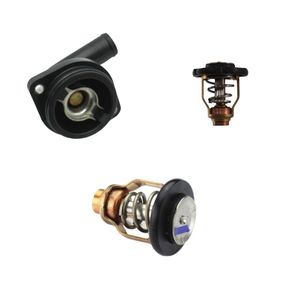
Cooling maintenance: key parts The impeller, thermostat, oil and thermostat housing are among the parts to check as soon as overheating becomes recurrent.
View thermostatsQuale diagnosi considerare in base al sintomo osservato?
The right diagnosis depends on the dominant symptom. The table below quickly links a visible sign to a likely cause, then to the safest action.
| Symptom | Likely cause | Quick check | Recommended action |
|---|---|---|---|
| Tell-tale stream absent or very weak | Blocked water intake, worn impeller | Check the grilles, intake and flow at idle | Shut down if the alarm persists, remove the obstruction, then check the impeller |
| Alarm after a few minutes | Stuck thermostat, internal deposit | Compare cold and hot behaviour | Check the thermostat and its housing |
| Temperature normal at idle, then rising when accelerating | Insufficient flow under load, clogged heat exchanger or strainer | Observe whether the problem appears only at revs | Do not insist; carry out an in-depth diagnosis of the intake and heat exchanger |
| Hot or rubber smell | Damaged impeller, lack of water, exhaust too hot | Check the stream, water intakes and boating context | Stop, cool down, inspect the water pump |
| Repeated overheating despite impeller replacement | Internal deposits, thermostat, housing, heat exchanger, sensor | Review the whole chain: intake, pump, regulation, discharge | Workshop diagnosis recommended; also check the thermostat housing depending on the configuration |
Quali domande porsi prima di riavviare?
Before restarting after overheating, make sure the cause is understood, water flow has returned and the alarm does not reappear. If in doubt, stopping remains the safest decision for the engine.
How long should you wait before restarting after overheating?
Wait for the engine to cool down and for a clear cause to be identified. If you restart, do it only at idle and immediately monitor the alarm, tell-tale stream and smells.
Does a visible tell-tale stream mean the whole circuit is cooling properly?
No, not always. Depending on the setup, the tell-tale stream indicates circulation in part of the circuit, but it does not guarantee that all internal areas are properly cooled.
Can you clean a salt-clogged circuit yourself?
Regular flushing helps a lot, but repeated overheating requires precise diagnosis. Heavy deposits may require checking the heat exchanger, elbows, passages or thermostat.
Can warm summer water encourage overheating?
Yes. Already warm water reduces the cooling margin. It does not necessarily cause the fault on its own, but it can reveal a tired impeller, marginal flow or a partially clogged circuit.
What should you do if the engine no longer restarts after overheating?
Do not keep trying. Let it cool down, check obvious signs, then consult the guide to a boat engine that will not start to guide the diagnosis without worsening the fault.
Can a temperature sensor cause a false alarm?
Yes, it is possible. But mechanical causes must be ruled out first: water flow, impeller, obstruction, thermostat and heat exchanger. The sensor comes later in the diagnostic logic.
Ha bisogno di sostituire un pezzo del circuito di raffreddamento? DAM Marine propone giranti, termostati, oli e ricambi motore per mantenere la barca con le referenze corrette.
Trova il mio pezzo