


 Catálogo
 Vistas desglosadas
















 Honda Marine







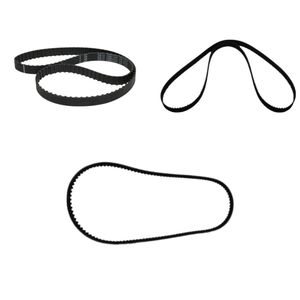
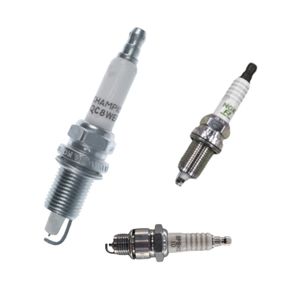
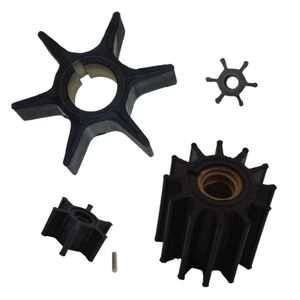
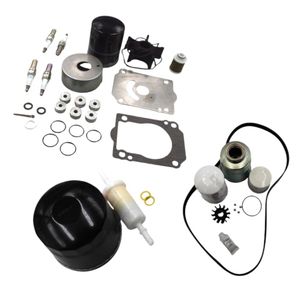


 Diagrama técnico
 Documentos técnicos
 Solicitud de presupuesto
 Solicitud de devolución
Sobrecalentamiento del motor de barco: causas, diagnóstico y soluciones
¿Se ha activado una alarma de temperatura? Empiece por asegurar el barco, reducir gas y comprobar el caudal de agua antes de insistir.
Ver impulsoresEl sobrecalentamiento del motor de barco es una subida anormal de temperatura que puede deberse a una mala circulación de agua, un impulsor desgastado, un termostato bloqueado o un circuito sucio.
La prioridad es no insistir: reduzca gas, vigile el chorro testigo cuando exista y apague el motor si la alarma persiste.
El diagnóstico se realiza por etapas, desde la toma de agua hasta la bomba, el termostato, el intercambiador y los sensores.
Un sobrecalentamiento repetido debe tratarse rápidamente, ya que puede provocar deformación, gripado o rotura del motor.
¿Qué es el sobrecalentamiento del motor de barco?
Un sobrecalentamiento del motor de barco corresponde a una temperatura de funcionamiento demasiado elevada, hasta activar una alarma, una limitación de régimen o una parada de seguridad. En un barco, la refrigeración depende a menudo del agua aspirada del exterior: si esa agua circula mal, el motor evacua peor el calor y la temperatura sube rápidamente.
La diferencia con un coche es importante. Un motor de automóvil trabaja sobre todo con un circuito cerrado y un radiador. En náutica, según la configuración, puede haber un circuito de agua bruta, un intercambiador, un filtro, una bomba de agua, termostatos y varios puntos sensibles. Para comprender mejor esta lógica, la guía sobre el funcionamiento del circuito de refrigeración de un barco complementa útilmente este diagnóstico.
¿Cuáles son las señales de un motor de barco que se sobrecalienta?
Un motor de barco que se sobrecalienta suele enviar varias señales antes de una avería grave: alarma sonora, testigo de temperatura, pérdida de potencia, olor a caliente, vapor, chorro testigo débil o comportamiento anormal al régimen. Estas señales deben tomarse en serio, aunque el motor parezca seguir funcionando correctamente. Para interpretar mejor una alerta del cuadro de instrumentos, la guía para comprender los testigos del barco puede completar el diagnóstico.
- Audible alarm or temperature warning light: this is the most direct warning.
- Engine speed that refuses to rise: the engine may go into protection mode. In this case, the guide to pérdida de potencia del motor de barco can help cross-check the symptoms.
- Weak or absent tell-tale stream: on engines that have one, it often indicates a circulation issue.
- Smell of rubber, hot plastic or steam: an impeller, hose or exhaust component may be suffering.
- Unusual smoke: if the engine smokes as well as overheating, also consult the guide to motor de barco que echa humo.
If overheating comes back on every trip, it is usually not a coincidence. The problem often comes from an obstruction, a tired impeller, a seized thermostat, a clogged heat exchanger or insufficient flow under load.
¿Qué hacer inmediatamente si el motor se calienta?
Si el motor se calienta, la reacción correcta es proteger la mecánica antes de intentar volver a toda costa. Hay que reducir gas, ponerse en seguridad, observar las señales disponibles y apagar si la alarma persiste o si el caudal de agua no vuelve.
Should you reduce throttle immediately?
Yes. Return to idle, move away from a dangerous area if possible and monitor how the alarm develops. Lower revs reduce thermal load and can prevent the fault from getting worse.
When should you shut down the engine?
Shut down if the alarm continues, if the tell-tale stream remains absent, if an abnormal smell appears or if you do not understand the cause. Continuing for just a few minutes can turn a small fault into a major repair.
What can you check without tools?
Check the water intakes, grilles, presence of seaweed or plastic bags, the tell-tale stream, smells and, on an inboard, the visible strainer, seacock and obvious leaks.
Restarting should only be considered if a simple cause has clearly been removed, for example a visible obstruction. Restart at idle, immediately monitor the alarm and shut down again at the slightest doubt. Si también observa restos de aceite, un olor anormal o una fuga visible cerca del motor, consulte la guía sobre la fuga de aceite en un barco antes de continuar las pruebas.
Do you suspect the water pump? A worn, dry or deformed impeller is one of the most common causes of boat engine overheating.
Find an impeller¿Cuáles son las causas frecuentes del sobrecalentamiento del motor de barco?
The most common causes of boat engine overheating involve water flow, temperature regulation or clogging in the circuit. Diagnosis should therefore follow the water path: intake, pump, thermostat, heat exchanger, exhaust and discharge.
Can the water intake be blocked?
Yes. Seaweed, sand, bags, mud or shells can reduce flow. It is one of the first checks to make, especially after passing through shallow water, a harbour or seagrass beds.
Can a worn impeller cause overheating?
Yes. The impeller pushes water through the circuit. Over time, its blades deform, crack or break. An engine that has run without water, even briefly, can damage it very quickly.
Can a stuck thermostat make the engine overheat?
Yes. The thermostat regulates water flow according to temperature. If it stays closed or partially blocked by salt, corrosion or deposits, some areas are no longer properly cooled.
Is internal clogging common?
Yes, especially on engines that are rarely flushed. Salt, scale, sludge and corrosion progressively reduce water passages.
Does an inboard have specific weak points?
Yes. On an inboard engine, the strainer, seacock, heat exchanger, belts and certain fittings must be checked.
Can engine load play a role?
Yes. An unsuitable propeller, dirty hull, heavily loaded boat or unfavourable rev range increases the effort required from the engine. The guide to funcionamiento de una hélice de barco helps explain this idea of load. To limit this stress, also learn how to usar correctamente el trim and how to carenar un barco when the hull creates too much drag.
Can an alarm be triggered by a faulty sensor?
Yes, but it should never be the first assumption. A sensor, wiring harness or instrument can create a false alarm, but mechanical causes must be checked first: water flow, impeller, thermostat, strainer and obstruction. If the electrical lead becomes credible, the article on funcionamiento de la electricidad en un barco helps place sensors, wiring and instruments within the wider circuit.
¿Cómo diagnosticar paso a paso un sobrecalentamiento del motor de barco?
To diagnose boat engine overheating, start with simple, visible checks, then move on to wear parts and more technical components. This method avoids replacing parts at random.
What should you check while under way?
Note the context: seaweed area, shallow water, reversing, long idling or prolonged acceleration. Observe the tell-tale stream, noise, smell, possible smoke and the exact moment when the alarm appears.
What should you check in harbour or on a trailer?
Check the intake grilles, flush the circuit, inspect the impeller, look at the thermostats, leaks, salt marks, hose clamps, strainer and belts if your setup has them.
When should you move to workshop diagnosis?
If overheating returns despite a new impeller or checked thermostat, you need to look further: heat exchanger, elbows, manifolds, air intake, clogged passages, sensors or insufficient flow under load.
If overheating comes with stalling, misfiring or an engine that splutters, the problem may overlap with another fault. In this case, the guide to a boat engine that stalls helps broaden the diagnosis. Before ordering an impeller, thermostat or sensor, also remember to encontrar el número de serie del motor to avoid reference errors.
¿Se puede seguir navegando con un motor sobrecalentado?
You should not keep boating with an overheating engine as if nothing were wrong. If the alarm returns, if the tell-tale stream is absent, if the engine goes into protection mode or if the temperature rises quickly again, the priority is to stop and get back another way.
The only less worrying situation is a clearly identified one-off obstruction that has been removed, followed by stable water flow with no new alarm. Even then, stay at idle or low load until you confirm that behaviour has truly returned to normal.
Continuing to force the engine can cause parts to deform, seals to deteriorate, seizure or engine failure. To understand the financial and mechanical stakes, the guide to boat engine repair gives a broader view of the decisions to make after a breakdown.
¿El sobrecalentamiento es diferente en un motor de 2 tiempos, 4 tiempos, gasolina o diésel?
The basic logic remains the same: without proper water circulation, an engine overheats. However, the type of engine influences the points to monitor, especially lubrication, combustion, smoke and the cooling architecture.
What should you monitor on a 2-stroke engine?
On a 2-stroke, mixture quality, oil and fuel supply can worsen overheating. If the engine runs too lean or is poorly lubricated, temperatures can rise faster.
What should you monitor on a 4-stroke engine?
On a 4-stroke, oil plays an important role in lubrication and heat dissipation. Oil level, quality, age and service intervals must be checked.
Petrol or diesel: does the reasoning change?
The diagnostic path remains similar, but symptoms vary. To go further, consult how a petrol boat engine or a marine diesel engine works.
¿El tipo de motor cambia el diagnóstico?
The engine type mainly changes access to parts and the circuit layout, but the reasoning remains the same: water must enter, circulate, regulate temperature and remove heat. An outboard, inboard or sterndrive is not checked in exactly the same place, but the underlying causes remain very similar.
If you are unsure about the different architectures or want to better understand maintenance differences, the guide to choosing between an inboard and outboard engine provides useful reference points. For a broader view of propulsion, you can also consult the guide to choosing a boat engine.
¿Cómo prevenir el sobrecalentamiento del motor de barco?
To prevent boat engine overheating, regularly maintain the cooling circuit, flush after boating, replace wear parts and monitor early warning signs. A simple routine prevents most recurring failures.
- Flush the circuit after trips, especially in salt water or debris-heavy areas.
- Replace the impeller at a sensible interval, especially if the maintenance history is unclear.
- Check the thermostats if the engine heats up quickly or if the alarm returns regularly.
- Monitor grilles and water intakes in areas with seaweed, sand or shallow water.
- Use suitable marine oil and respect oil change intervals.
- Maintain the boat propeller to limit unnecessary stress on the transmission and engine: the guide to mantenimiento de la hélice del barco explains the right checks.
- Prepare lay-up periods with proper boat winterising, then restart gradually during de-winterising.
Cooling maintenance: key parts The impeller, thermostat, oil and thermostat housing are among the parts to check as soon as overheating becomes recurrent.
View thermostats¿Qué diagnóstico considerar según el síntoma observado?
The right diagnosis depends on the dominant symptom. The table below quickly links a visible sign to a likely cause, then to the safest action.
| Symptom | Likely cause | Quick check | Recommended action |
|---|---|---|---|
| Tell-tale stream absent or very weak | Blocked water intake, worn impeller | Check the grilles, intake and flow at idle | Shut down if the alarm persists, remove the obstruction, then check the impeller |
| Alarm after a few minutes | Stuck thermostat, internal deposit | Compare cold and hot behaviour | Check the thermostat and its housing |
| Temperature normal at idle, then rising when accelerating | Insufficient flow under load, clogged heat exchanger or strainer | Observe whether the problem appears only at revs | Do not insist; carry out an in-depth diagnosis of the intake and heat exchanger |
| Hot or rubber smell | Damaged impeller, lack of water, exhaust too hot | Check the stream, water intakes and boating context | Stop, cool down, inspect the water pump |
| Repeated overheating despite impeller replacement | Internal deposits, thermostat, housing, heat exchanger, sensor | Review the whole chain: intake, pump, regulation, discharge | Workshop diagnosis recommended; also check the thermostat housing depending on the configuration |
¿Qué preguntas hacerse antes de volver a arrancar?
Before restarting after overheating, make sure the cause is understood, water flow has returned and the alarm does not reappear. If in doubt, stopping remains the safest decision for the engine.
How long should you wait before restarting after overheating?
Wait for the engine to cool down and for a clear cause to be identified. If you restart, do it only at idle and immediately monitor the alarm, tell-tale stream and smells.
Does a visible tell-tale stream mean the whole circuit is cooling properly?
No, not always. Depending on the setup, the tell-tale stream indicates circulation in part of the circuit, but it does not guarantee that all internal areas are properly cooled.
Can you clean a salt-clogged circuit yourself?
Regular flushing helps a lot, but repeated overheating requires precise diagnosis. Heavy deposits may require checking the heat exchanger, elbows, passages or thermostat.
Can warm summer water encourage overheating?
Yes. Already warm water reduces the cooling margin. It does not necessarily cause the fault on its own, but it can reveal a tired impeller, marginal flow or a partially clogged circuit.
What should you do if the engine no longer restarts after overheating?
Do not keep trying. Let it cool down, check obvious signs, then consult the guide to a boat engine that will not start to guide the diagnosis without worsening the fault.
Can a temperature sensor cause a false alarm?
Yes, it is possible. But mechanical causes must be ruled out first: water flow, impeller, obstruction, thermostat and heat exchanger. The sensor comes later in the diagnostic logic.
¿Necesita cambiar una pieza del circuito de refrigeración? DAM Marine ofrece impulsores, termostatos, aceites y piezas de motor para mantener su barco con las referencias adecuadas.
Encontrar mi pieza