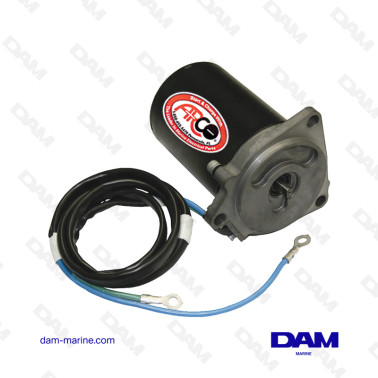
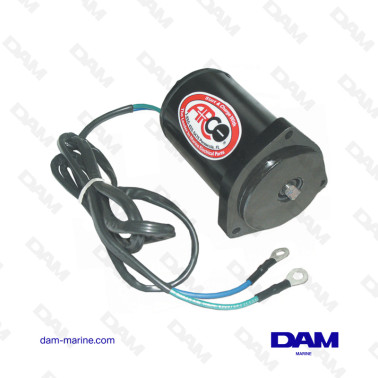
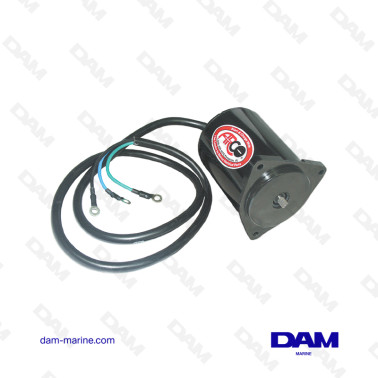
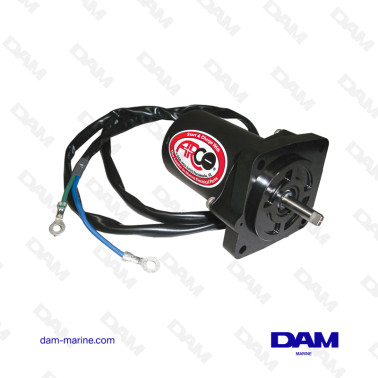
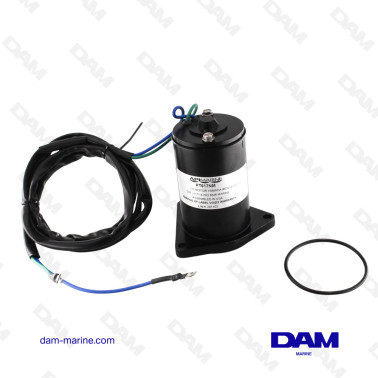
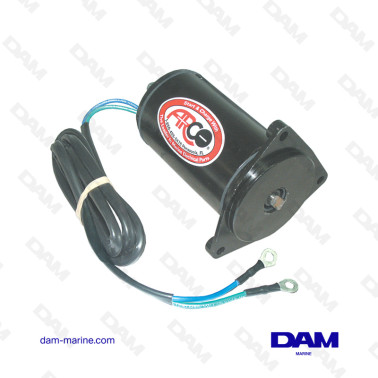
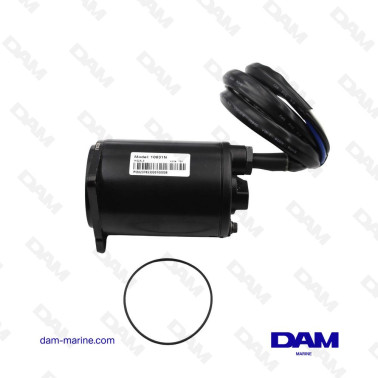
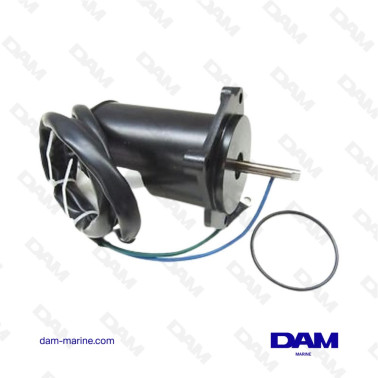
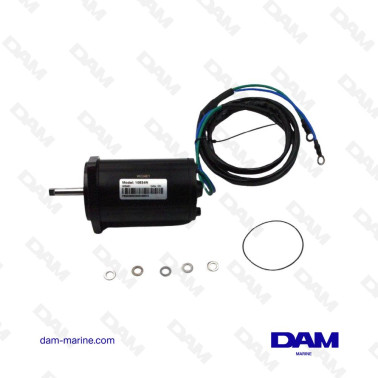
How to choose the right Yamaha trim motor?
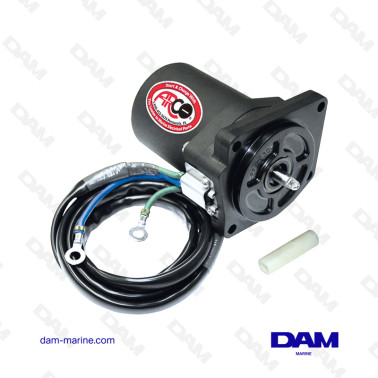
To avoid compatibility mistakes, the Yamaha OEM reference remains the main criterion. Ideally, it should be compared with the reference shown on the original part or checked using the outboard engine serial number.
Before ordering, also check the following elements:
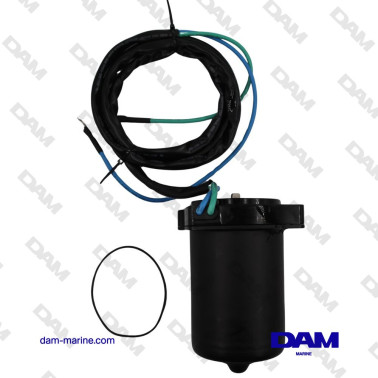
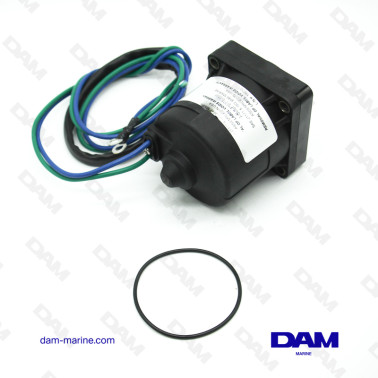
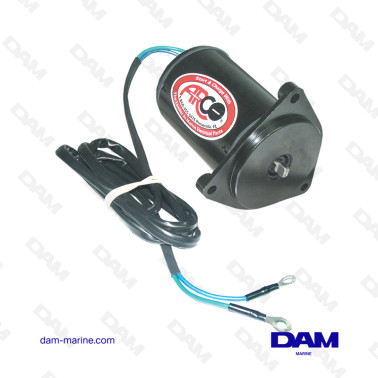
- The connector type: 2-wire, 3-wire or 4-wire trim motor depending on the assembly.
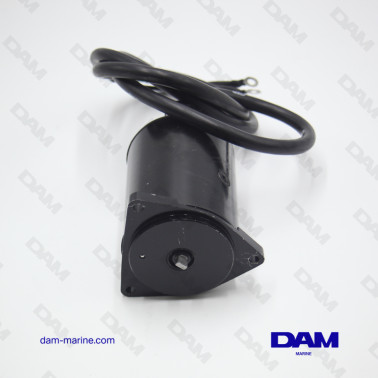
- The mounting: 3-screw or 4-screw plate.
- The plate diameter: essential to ensure installation without modification.
- The bolt spacing: compare it with the old trim motor.
- The length and diameter of the drive shaft: they must match the hydraulic pump.
Important: the compatibilities below are provided for information only. Yamaha used different assemblies depending on years, serial numbers and versions. If in doubt, always check the exact reference before replacing the part. If in doubt, contact our team on: 04.94.27.36.62
Examples of common Yamaha OEM references
| Yamaha OEM reference | Common applications | Points to check |
|---|
| 6H1-43880-00 / 6H1-43880-02 |
Medium-power Yamaha 2-stroke outboards, often 60 to 90 hp depending on the version |
Connector type, 3-screw mounting, year and serial number |
| 6E5-43880-00 / 01 / 02 |
Yamaha 2-stroke 115, 140, 150, 175, 200 and 220 hp depending on the year |
2-wire assembly, 3-screw mounting plate, drive shaft |
| 6G5-43880-02 |
Yamaha 2-stroke 115 to 200 hp, and some 225 hp versions depending on model year |
Compatibility to be confirmed according to the exact year |
| 61A-43880-01 / 61A-43880-02 |
High-power Yamaha 2-stroke outboards, especially 225 and 250 hp depending on the version |
Pay attention to 4-wire versions and 4-screw plates |
| 62X-43880-00 / 62X-43880-09 |
Yamaha 4-stroke 40 to 100 hp depending on application |
Bolt spacing, plate diameter and connector type |
| 67F-43880-00 |
Yamaha F75, F80, F90 and F100 4-stroke depending on the year |
4-screw mounting, connector type and serial number |
| 6D8-43880-00 / 01 / 09 |
Newer-generation Yamaha F75, F80 and F90 4-stroke engines |
Engine year, hydraulic pump type and 4-screw mounting |
| CS3-43880-00 |
Some Yamaha F50 / C40 applications depending on model year |
Compatibility must be confirmed using the original reference |
Yamaha trim no longer works: what should you check?
Before replacing the electric motor, it is important to confirm the cause of the fault. A trim problem can come from the motor, but also from the relay, power supply, hydraulic pump or cylinders.
- The trim no longer goes up or down: first check the battery, fuses, electrical connections and trim relay. A faulty relay can make the system completely silent.
- The electric motor runs but the outboard does not move: check the hydraulic oil level, pump condition and tightness of the manual release screw, also called the by-pass.
- The trim works intermittently: an oxidised terminal, poor contact or water ingress into the electric motor may be the cause.
- The motor heats up or makes an abnormal noise: this may indicate worn brushes, internal corrosion or excessive strain on the hydraulic system.
- The motor runs but does not lift the outboard under load: the problem may come from the cylinders, a worn internal seal or a hydraulic leak rather than the electric motor itself.
Hydraulics, seals and watertightness: sensitive points
A faulty trim motor can sometimes be the consequence of a wider problem with the lifting system. It is therefore advisable to inspect the cylinders, scraper seals, pins and general condition of the hydraulic block.
Damaged cylinder seals can allow water to enter, especially in marine use. This ingress damages the hydraulic oil, encourages corrosion and can eventually damage the pump or electric motor. An oil level that drops regularly generally indicates a leak that should be dealt with quickly.
Yamaha trim maintenance
To extend the life of the system, rinse the outboard carefully after every sea trip and operate the trim several times during rinsing. This helps remove salt around the cylinder rods.
It is also recommended to grease the pins, trunnions and pivot points with a suitable marine grease. An annual check of the hydraulic oil level and seal condition helps prevent many failures.
New or used Yamaha trim motor?
A used trim motor may seem economical, but its internal condition is difficult to check without dismantling. The brushes, commutator, seals and watertightness may already be worn or weakened.
For a part that is so exposed to moisture and so important for safe outboard operation, a new or quality reconditioned trim motor is generally the most reliable choice.
Below you will find our selection of trim motors compatible with Yamaha 2-stroke and 4-stroke outboards. To confirm compatibility, have your OEM reference or engine serial number ready.



 Catalog
 Exploded views















 Honda Marine








 Parts views
 Technical documents
 Ask for a quote
 Return request