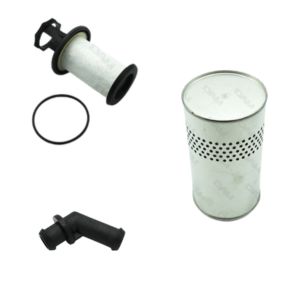
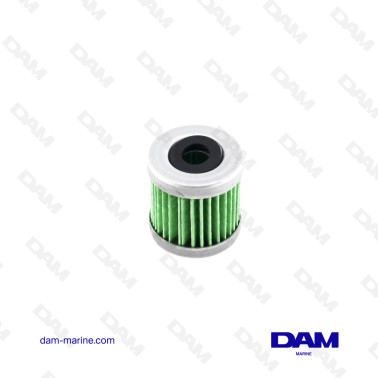
HONDA HP FUEL FILTER
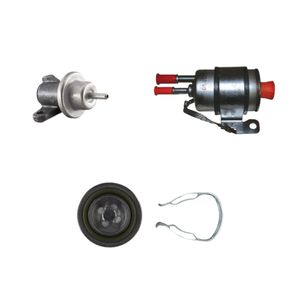
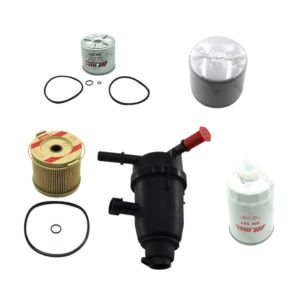
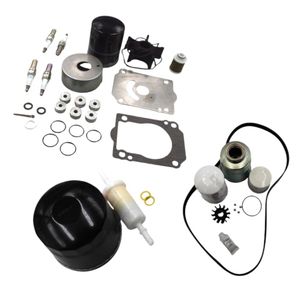
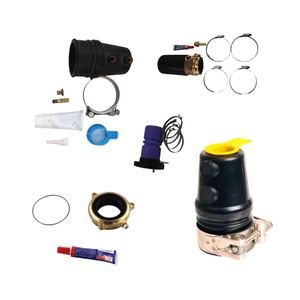
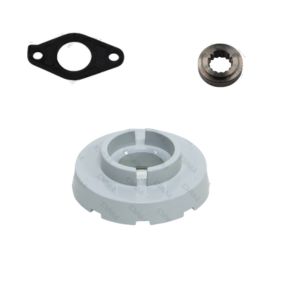
Honda fuel filter.
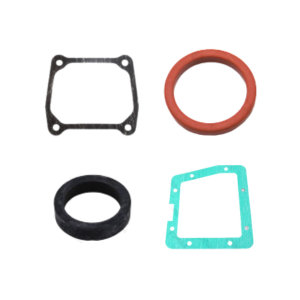
Remember to order gasket 16073-ZY9-003.
Compatibilité inconnue ou non renseignée, Contact us
Voir les produits compatibles
Produit compatible
Marine Engine Injection Systems – Injectors and Spare Parts
Carburetors for Marine Engines – Volvo, Yamaha, Mercury and More
Fuel pumps for marine engines – Inboard and outboard
Turbos for marine engines – Volvo, Mercruiser
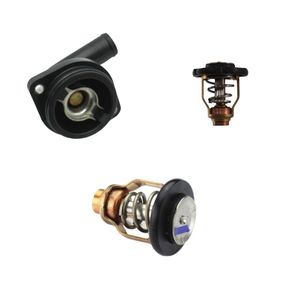
Fuel regulators for marine engines
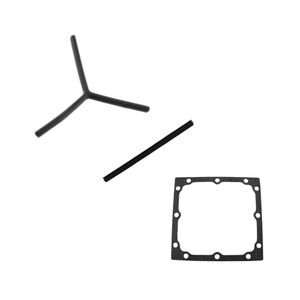
Fuel coolers for marine engines
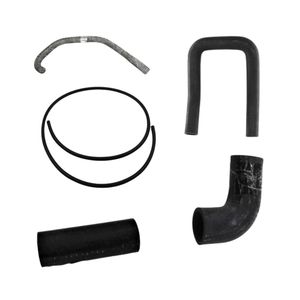
Fuel hoses for marine engines
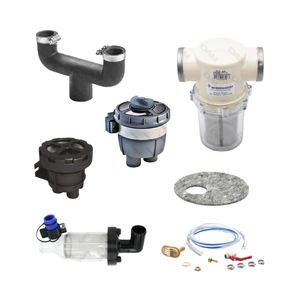
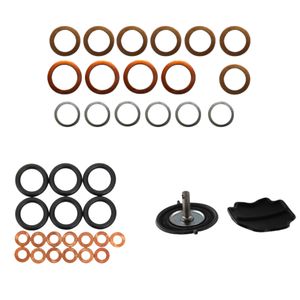
Marine Engine Fuel Gasket Kits
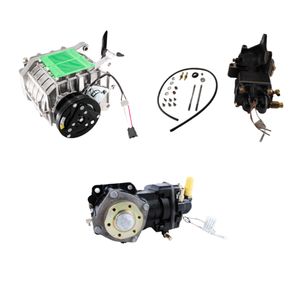
Compressors for marine engines
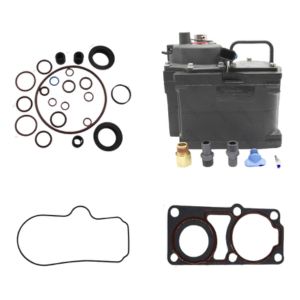
FSM Module
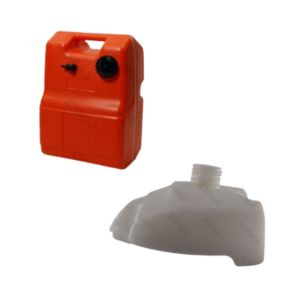
Boat Tank
Fuels filters
Engine oils and coolants for boats
Water pumps for marine engines – Volvo, Yamaha, Suzuki, Mercury, Mercruiser, OMC, PCM
Marine engine heat exchangers – Volvo, Mercruiser, PCM
Oil Coolers for Marine Engines – Volvo, Mercury, Mercruiser, PCM
Marine Engine Thermostats – Volvo, Yamaha, Suzuki, Mercury, Honda, Mercruiser, OMC, PCM
Cooling gaskets for marine engines
Cooling hoses for marine engines – Volvo, Mercruiser, OMC
Seawater filters for marine engines
Marine camshafts for marine engines – Volvo, Mercruiser, OMC, PCM
Cylinder heads for marine engines – Volvo, Mercury, Mercruiser, OMC, PCM
Rocker Covers for Marine Engines – Volvo, Mercury, Mercruiser, OMC, PCM
Intake Manifolds for Marine Engines – Volvo, Suzuki, Mercury, Mercruiser, OMC, PCM
Marine Engine Intake Housings – PCM
Top End Kits and Break-In Kits for Marine Engines – Volvo, Mercury, Mercruiser, OMC, PCM
Powerhead Gaskets for Marine Engines – Suzuki, Mercury, Mercruiser
Connecting rod for marine engines – Volvo, Mercury, Mercruiser, OMC, PCM
Cylenders for marine engines – Volvo, Mercury, Mercruiser, OMC, PCM
Timing components for marine engines – Volvo, Mercury, Mercruiser, OMC, PCM
Crankshaft for marine engines – Volvo, Suzuki, Mercury, Mercruiser, OMC, PCM
Full engine gasket kits for marine engines – Volvo, Mercruiser, OMC, PCM
Damper, lifter & position sensor for marine engines – Volvo, Mercury, Mercruiser, OMC, PCM
Engine mounts for marine engines
Supplementary gasket kit for marine engines
Core plugs for marine engines
Belt tensioners for marine engines
Timing components for marine engines
Flywheels for marine engines
Push rods for marine engines
Exhaust manifolds for marine engines – Volvo, Mercruiser, OMC, PCM
Marine Engine Exhaust Systems – Performance and Reliability
Marine Engine Exhaust Elbow Parts – Volvo, Mercruiser, OMC, PCM
Marine Engine Waterlocks – Performance and Reliability
Exhaust horns for marine engines – Volvo, Mercruiser, OMC
Marine engine exhaust parts – Volvo, Mercruiser, OMC, PCM
Marine Engine Ignition Products – Volvo, Yamaha, Mercury, Mercruiser, OMC, PCM
Marine Engine Sensors – Volvo, Suzuki, Mercury, Mercruiser, OMC, PCM
Boat engine probes
Alternators for marine engines – Volvo, Mercury, Mercruiser, OMC, PCM
Electronic boxes for marine engines – Suzuki, Mercury, Mercruiser, PCM
Starters for marine engines – Volvo, Yamaha, Suzuki, Mercury, Honda, Mercruiser, OMC, PCM
Load distributors for marine engines
Marine Engine Wiring Harnesses – Volvo, Mercury, Mercruiser, PCM
Marine Engine Fuses – Volvo, Mercruiser
Marine Engine Relays – Volvo, Yamaha, Suzuki, Mercury, Mercruiser, OMC, PCM
Charge regulators for marine engines – Yamaha, Mercury, Mercruiser, OMC
Potentiometers for marine engines – Volvo, Mercruiser, PCM
Circuit breakers
Workshop equipment and maintenance products for marine engines
Control box for marine engines – Volvo, Yamaha, Suzuki, Honda, Mercruiser
Engine bilge equipment for boats
Maintenance and equipment for boat hulls
Marine Electricity: Batteries, Circuit Breakers and Accessories
Dashboard and controls for marine engines
Various mechanical parts for marine engines
Banjo fittings
Stainless steel nuts
Grower washers
Stainless steel fasteners
Marine stainless steel hose clamps
Circlips
Cotter pins
Marine threaded inserts
Bolts
Stud bolts
Bearings
Springs
Keys
O-ring
Oil seal
Boat fitting
Boat shim
Locks, latches and closures
Hinges
Stainless steel buckle
Marine spacer
Marine caps
Gaskets and seals
Bushing
On a Honda outboard, the fuel system is a precision assembly that often includes several filters. Each one has a specific role and a different maintenance interval. At DAM Marine, we supply genuine Honda and high-quality replacement fuel filters to help keep your engine reliable, but you still need to identify which one should be replaced. Here is a simple way to make sense of it.
The Honda range is made up exclusively of 4-stroke engines, and the vast majority now use electronic fuel injection (PGM-FI). This technology requires exceptionally clean fuel, which means staged filtration, quite different from older carburetted engines.
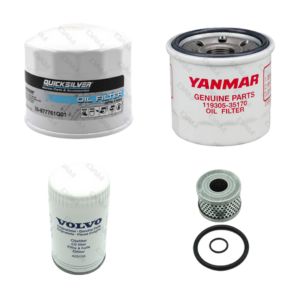
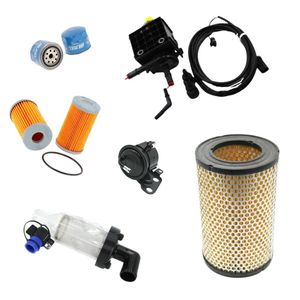
Upstream of the engine, you will generally find the water-separating fuel filter, often mounted in the boat. It is your first line of defence against water and larger impurities. On the engine itself, the low-pressure filter protects the fuel feed pump. Finally, on fuel-injected models, a high-pressure filter protects the injectors. This filter has an extremely fine screen: it is replaced less frequently and is often a little more hidden, but its role is vital.
The most common mistake is thinking there is only one filter. If your engine lacks power after recent servicing, one of the filters in the fuel circuit, often the high-pressure one, has probably been forgotten.
Honda fuel filter.
Remember to order gasket 16073-ZY9-003.
This is a very common situation: the filter you replaced was probably not the one causing the problem. Check whether there are other filters in your fuel system, particularly the high-pressure filter, which is often hidden near the pump or vapor separator. Because it is more difficult to access, it is frequently overlooked during maintenance.
For the boat’s main fuel-water separator, quality aftermarket brands are available, provided that the correct micron rating, or filtration level, is respected. However, for filters integrated into the engine, especially in the high-pressure circuit, the filtration level is essential to protect your injectors. Considering the cost of a Honda injector, fitting a genuine part remains the safest and most sensible choice for your engine.
With Honda, engine displacement is not enough. To identify the right part, you need the exact engine model and, above all, its serial number, often shown as a 4-letter code followed by digits, for example BABA-1234567. Honda uses serial-number ranges to update parts within the same model.
Once you have the number, determine which filter you need: is it the boat pre-filter, the low-pressure filter or the high-pressure filter? Do you need only the filter cartridge, or the complete bowl assembly?
Your boat's behaviour is an excellent indicator of which stage of the fuel circuit is causing trouble, helping you avoid dismantling everything blindly.
If you notice a gradual loss of power at high rpm while idle remains perfect, this is a classic sign of clogging. On an injected engine, it often points to the high-pressure filter, which can no longer supply the required flow. If the engine stalls after a few minutes of sustained cruising, or hesitates at steady rpm, the fuel system is struggling to feed the engine. In that case, check all filters.
Difficult starts after a long winter lay-up, or visible water in the transparent bowl of your separator, require immediate draining. If water keeps coming back, the issue is in the tank: condensation or poor sealing at the filler cap.
In 90% of cases, replacing the filter cartridge, together with its seals, is enough. It is the standard routine maintenance operation. However, if the plastic bowl has become cloudy, shows micro-cracks, or if the thread is damaged, you must replace the complete assembly to avoid air intake or fuel leaks.
Be careful: if your new filters clog again after only a few outings, the problem is upstream. A tank loaded with old deposits or stagnant water will continue to saturate your new parts. A complete tank clean will then be the only durable solution.
Before working on an injected engine, always depressurise the circuit: the injection rail remains under pressure even when the engine is switched off. During installation, follow the fuel flow direction, usually shown by an arrow on inline filters.
Always replace O-rings with those supplied in your new kit, and above all, tighten plastic bowls gently by hand so you do not crack them. Once installation is complete, prime the circuit with the primer bulb, start the engine at idle and wipe the area with a dry cloth to check that no leak appears.