Single engine or twin engine: why avoid improvising?
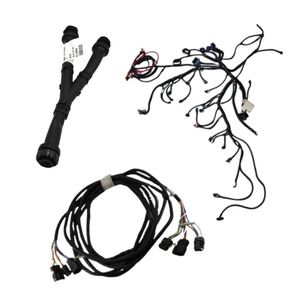
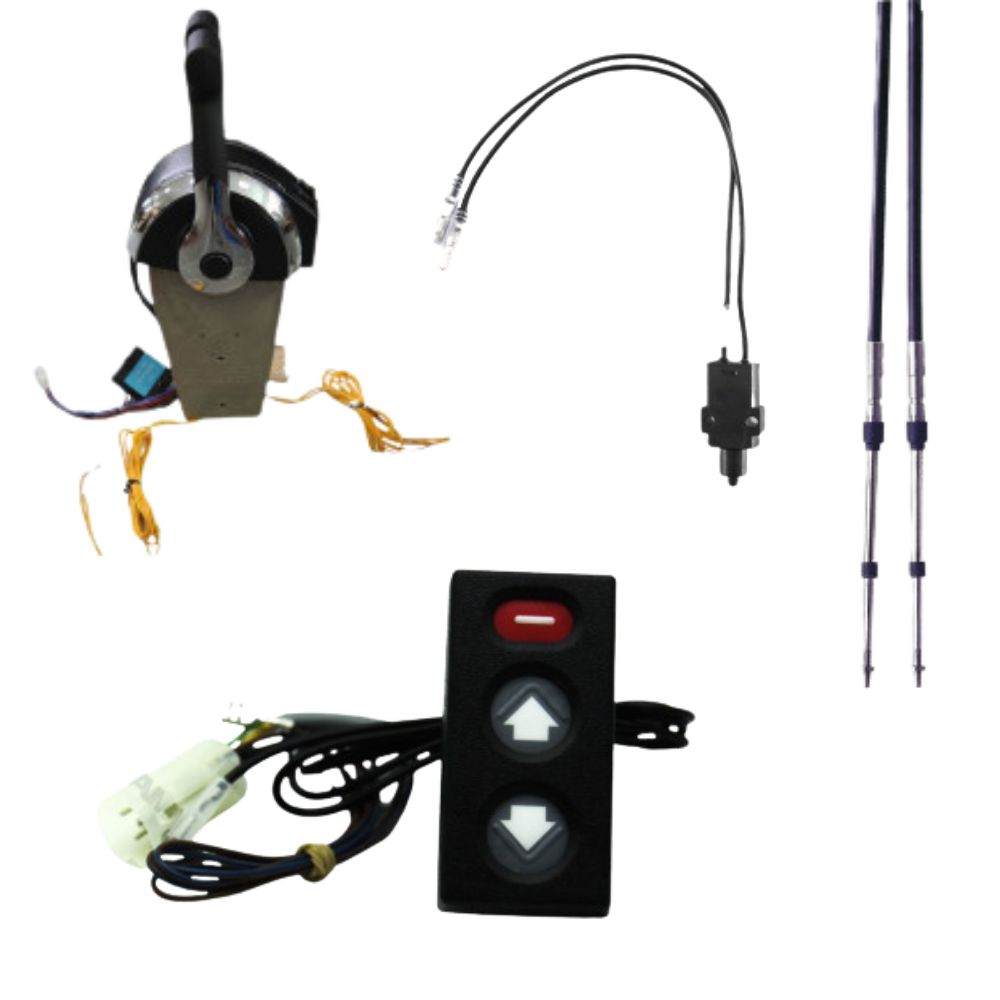
A twin-engine control box has two coupled levers and a double wiring harness. Trying to place two single-engine boxes side by side is strongly discouraged: handling becomes uncomfortable when manoeuvring, and coupling the electrical safety systems, kill switch and neutral safety, becomes a real technical headache.
Which criteria identify the right Yamaha model?
To order the correct reference, have your engine year and model code ready, as shown on the mounting plate, then check these points:
- Harness connectors: they change depending on generation, with 7-pin harness, 10-pin harness or Command Link digital network.
- Lever equipment: presence or absence of the trim button and integrated key switch/kill switch.
- Cable type: standard marine or specific cables.
Should you replace the whole box or only the cables?
This is the question every boater asks when faced with a temperamental control.
Always start with the cables. A stiff lever, jerky movement or gear that engages badly comes in 90% of cases from a seized or kinked cable. Cables wear much faster than the control box itself. This is the first thing to check.
When should the complete box be replaced? Although some small internal parts, such as the neutral switch or trim switch, can be replaced individually, a box whose mechanism has developed play or whose body has been eaten away by salt must be replaced. In addition, if you repower an older boat with a recent Yamaha, switching to a new-generation control box avoids stacking harness adapters, which are common sources of poor contacts.
What are the symptoms of a critical failure?
- The engine starts in gear: this is the most dangerous fault. It is caused by failure of the Neutral Safety Switch. Stop using the boat immediately.
- The trim no longer responds from the lever: if it still works using the button on the engine cowling, the control box switch, or its harness, is oxidised.
- The gear shift jumps at idle: wear in the internal control sector or incorrect cable travel adjustment.
Professional tips for installation and adjustment
- Be gentle with the cables: a cable forced through too tight a bend will immediately stiffen and wear prematurely. Respect a wide bend radius.
- Always adjust in neutral: with the engine off, make sure the lever on the engine is perfectly in neutral when your control lever is at zero.
- Secure the electrical side: protect your connector pins with marine dielectric grease.
- Test before boating: check the full travel, full throttle ahead, neutral, full throttle astern, and try the starter with a gear engaged to validate neutral safety.


 Catalog
 Exploded views















 Honda Marine








 Parts views
 Technical documents
 Ask for a quote
 Return request