



 Catalog
 Exploded views
















 Honda Marine
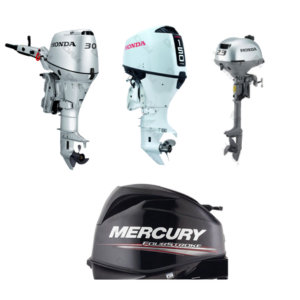


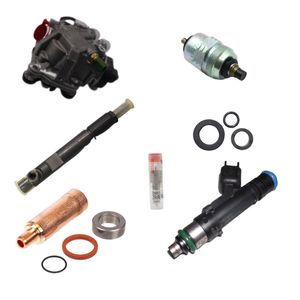
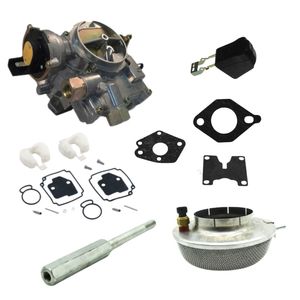
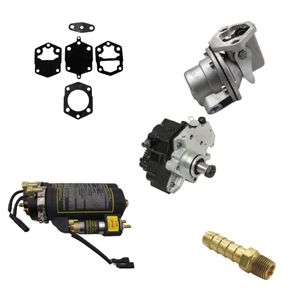



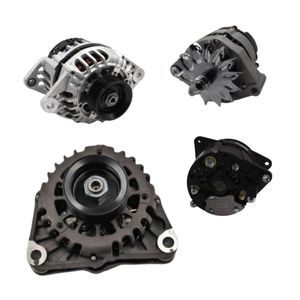
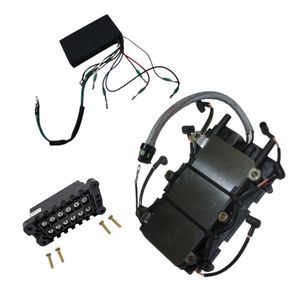
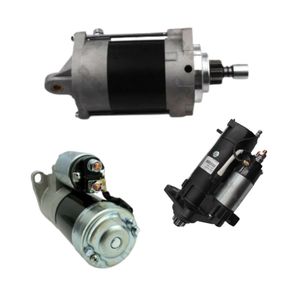
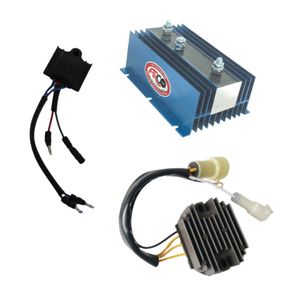

 Parts views
 Technical documents
 Ask for a quote
 Return request
Build a coherent anchoring system from the anchor to the rope.
Find equipment and accessories suited to your boat.
A boat anchor rode comprises the anchor, chain, rope and the fittings that connect them. The choice of anchor type and weight should be considered alongside the dimensions of the rode. Choose it from the boat’s displacement, cruising area, maximum water depth and expected wind, then check the diameter and windlass compatibility. An all-chain rode withstands abrasion and adds weight, while a mixed rode combines the resistance of chain with the elasticity of rope. The amount to pay out is calculated from the seabed to the bow roller, including the tide, rather than from the displayed depth alone. French regulations require equipment appropriate to the vessel and its navigation but do not set one universal length for every boat. Your final choice must therefore combine the manufacturers’ recommendations, expected conditions, chain-locker capacity and the room available for swinging.

What is a boat anchor rode?
An anchor rode is the complete system connecting the anchor to the boat and transmitting loads caused by wind, current and waves. Its effectiveness does not depend on one component alone: an excellent anchor attached to unsuitable chain, an undersized connector or worn rope will not provide reliable holding.
What is the anchor’s role?
The anchor digs into or grips the seabed. Its shape, weight and suitability for sand, mud, gravel, weed or rock determine its ability to set and reset after a wind shift.
What do the chain and rope do?
The chain resists abrasion and helps keep the pull on the anchor low. The rope, usually made from polyamide or a suitable polyester, reduces weight and absorbs some of the snatch loads.
Why do the connections matter?
Shackles, swivels, thimbles and splices maintain continuous strength throughout the rode. They must be mutually compatible, easy to inspect and free from edges that could damage the rope.
The inboard end of the rode must also be secured to the boat. A short, releasable lashing lets you slip the rode in an emergency without allowing it to run out accidentally when fully deployed.
Which anchor-rode configuration should you choose?
The choice is between an all-chain rode, a mixed chain-and-rope arrangement and, for some secondary uses, a textile or weighted line. The right option is one that the bow, storage space and cruising programme can genuinely accommodate.
When should you choose an all-chain rode?
It suits frequent anchoring and abrasive seabeds. Its weight improves the pull geometry in moderate conditions, but adds load to the bow, requires locker capacity and often calls for a windlass on larger boats.
Why choose a mixed rode?
A length of chain protects the section near the seabed, while the rope adds elasticity and reduces weight. This arrangement is often easier to handle and store, provided the textile section is protected from chafe.
What is a weighted line used for?
A weighted or mainly textile line may suit a small boat, a secondary anchor or occasional use. Size it according to the manufacturer’s instructions because its behaviour differs from a conventional rode.
| Configuration | Advantages | Points to watch | Typical use |
|---|---|---|---|
| All-chain | Abrasion resistance; automatic stowage with a suitable locker | Bow weight, corrosion and no inherent elasticity | Cruising and frequent anchoring |
| Chain + rope | Balance of weight, elasticity and strength | Splice, chafe and passage through the gypsy | A wide range of boats |
| Textile or weighted | Low weight, easy handling and compact storage depending on the product | Abrasion and greater length required | Small boat or secondary anchor |
How do you calculate anchor-rode length?
Begin with the vertical distance between the seabed and the point where the rode leaves the boat. Add the remaining expected tidal rise and the bow roller’s height above the water to the measured depth.
The amount of rode to pay out is then obtained by multiplying this depth by a ratio suited to the rode configuration and wind. As a guide, the French Sailing Federation’s Sécurimar guide gives the following references: three times the depth for an all-chain rode below 15 knots and three to four times for a mixed rode; below 25 knots, four times for all-chain and four to five times for mixed. It also recommends paying out no less than 20 metres.
Interactive anchor-rode calculator
Enter your boat and anchorage details. Results update automatically and remain indicative values that must be checked against manufacturers’ instructions.
Estimate for your configuration

This calculation is a starting point, not a guarantee of holding. Wind, gusts, current, waves, seabed type, windage and available room may require more rode or a different anchorage. Beyond the planned conditions, seek suitable shelter instead of relying on a ratio alone.
The amount of rode paid out also increases the swinging circle. Before anchoring, check that the boat can turn around the anchor without encountering a shoal, the shore, a buoy or another vessel. For setting the anchor, checking for dragging and two-anchor arrangements, read our guide to boat anchoring techniques.
What chain and rope diameters should you choose?
Displacement is a better starting point than hull length alone. The following table gives commonly used approximate values published in the Sécurimar guide. Always compare them with the anchor, chain, rope and windlass manufacturers’ instructions.
| Boat displacement | Indicative chain diameter | Indicative rope diameter |
|---|---|---|
| Below 1,000 kg | 6 mm | 10 mm |
| 1,000 to below 4,500 kg | 8 mm | 14 mm |
| 4,500 to below 12,000 kg | 10 mm | 18 mm |
| 12,000 to below 20,000 kg | 12 mm | 22 mm |
A larger diameter is not automatically better: it adds bow weight and may be incompatible with the gypsy. At the same nominal diameter, pitch and the link’s internal dimensions also matter. See the detailed criteria in our article Boat anchor chain: diameter and length.
Which anchor rode should you choose for a 4–7 metre boat?
Hull length helps define the size of the boat but is not enough to specify an anchor rode. Two 6 m boats may have very different displacements, windage, cruising areas and storage capacities.
For a boat around 4 m?
First check the actual displacement and intended use: coastal trips, fishing, tender or main anchor. A lightweight rode may be easy to handle, but a chain leader and protection from abrasion remain important.
For a 5.5–6 m boat?
The choice is often between an easy-to-handle mixed rode and a greater length of chain. Forepeak locker volume, permitted bow load and the presence of a bow roller become decisive.
For a boat around 7 m?
Displacement and windage may require heavier chain and rope. If a windlass is fitted, the chain must match the gypsy exactly and the splice must pass through the intended mechanism.
In every case, use the builder’s plate or boat documents to establish displacement, then choose the anchor from its manufacturer’s tables. Avoid kits selected solely from a marketing claim based on hull length.
How should you choose the anchor and rode connectors?
The anchor must suit both the boat’s displacement and the seabeds normally encountered. Flat anchors perform well on some soft bottoms; plough or concave designs can provide greater versatility depending on the model; a folding grapnel is generally better suited to a tender, fishing or temporary anchoring. The manufacturer’s stated performance and operating limits must take priority.
The shackle or swivel must not be the weak point in the system. Check its working load, passage through the bow roller, articulation and locking method. Avoid any arrangement in which a component is side-loaded or bears against the bow. A thimble protects the rope eye, while a well-made splice keeps the transition compact.
Build your rode with compatible components.
Anchors, chains, ropes, hooks and anchoring accessories are grouped by category.
How do you check windlass compatibility?
A windlass is not selected from the chain’s nominal diameter alone. Its gypsy is designed for a specific combination of diameter, pitch and link shape. An 8 mm chain made to a different standard may engage poorly, jump or cause premature wear.
- Record the windlass and gypsy references.
- Identify the accepted chain diameter, standard and pitch.
- Check whether the gypsy is designed for a mixed rode.
- Check the chain-to-rope splice passes correctly.
- Provide enough fall into the locker for the chain to stow without jamming.
The windlass retrieves the rode but should not permanently carry the boat’s anchoring loads. A chain hook or suitable snubber transfers the load to a structural strong point. To size the windlass and its electrical supply, read our guide Boat windlass: selection, power and installation.
What do the regulations say about anchor rodes?
For recreational boating at sea, French Division 240 requires an anchor rode appropriate to the vessel and cruising area. Under the skipper’s responsibility, it provides exemptions for sailing boats with a light displacement below 250 kg, powered craft below 250 kg whose propulsion power does not exceed 4.5 kW, and personal watercraft.
The current text does not turn a practical length rule into a universal statutory dimension. Formulae based on multiples of water depth are operating guidelines; diameter and weight tables are selection aids. The skipper remains responsible for matching the equipment to the boat, area, weather and seabed. These equipment requirements are separate from anchoring rules and restricted areas in France.
Key point: a carriage requirement, a recommended length and a manufacturer’s specification are three different things. Check the current version of Division 240 and the equipment manuals before purchasing.
Which mistakes should you avoid and how should you maintain the rode?
Most mismatches arise when components are purchased separately without checking how they interface. Before first use and at every seasonal inspection, lay out the rode and examine its full length.
Which sizing mistakes should you avoid?
Do not calculate from the instantaneous depth alone, choose solely by hull length or pair uncalibrated chain with a gypsy without validation.
What should you inspect?
Look for corrosion, loss of material, distorted links, cut strands, hardened rope, a loose thimble and any abnormal play in the connectors.
How can you make the rode easier to use?
Mark the chain and rope at regular intervals, rinse the equipment, let it dry and keep the bitter-end lashing accessible so the rode can be slipped in an emergency.
Which criteria should you check before buying?
| Criterion | Information to collect | Related decision |
|---|---|---|
| Boat | Displacement, length, windage and bow load | Diameter, anchor weight and configuration |
| Cruising | Area, depth, tidal range, wind and current | Length carried and amount to pay out |
| Seabed | Sand, mud, gravel, weed or rock | Anchor design and abrasion protection |
| Installation | Bow roller, chain locker and strong points | Space, stowage and connections |
| Windlass | Gypsy reference, diameter, standard and pitch | Compatible calibrated chain and splice |
| Safety | Component condition, bitter-end lashing and markings | Inspection, replacement and emergency release |
To build the complete system, browse the boat anchors, anchor chains et marine ropes.
What are the frequently asked questions about anchor rodes?
How much anchor rode should you allow for?
First calculate the distance between the seabed and bow roller at high water, then apply a ratio suited to the rode type and wind. The Sécurimar guide uses ratios from 3 to 5 for the conditions it describes and recommends paying out no less than 20 m.
Which rope should you choose for an anchor rode?
The rope must provide suitable strength, some elasticity and good splicing characteristics. Polyamide is valued for its stretch; certain polyesters intended for anchoring are also used. Always protect the rope at chafe points.
Is a 10 mm anchor rode sufficient?
A 10 mm diameter may refer to rope or chain, which completely changes the answer. Check the boat’s displacement, material, product construction, permitted load and, for chain, compatibility with the gypsy.
Can you use rope only?
A textile rode may be used on a small boat, for a secondary anchor or in a configuration specified by the manufacturer. It generally requires more length and careful protection from abrasion. A chain leader or weighted rope improves the geometry of some arrangements.
Is a second anchor rode mandatory above 3 tonnes?
The current Division 240 requires a rode appropriate to the boat and area, but the relevant article does not impose a general requirement for a second rode from 3 tonnes. Carrying a second anchor is nevertheless a sensible precaution for many cruising programmes.
What is the difference between a primary rode and a secondary anchor?
The primary rode is sized for the boat’s normal use. A secondary anchor may be used as a backup, stern anchor, two-anchor arrangement or tender equipment. Its configuration depends on its intended function and should not be assumed equivalent to the primary anchor.
Can you add a buoy to the anchor rode?
Do not add a buoy without considering its purpose, the risk of fouling a propeller and local rules. A tripping line attached to the anchor crown can help free it, but its arrangement and marking must not create a hazard for other water users.