Accurate trim and tilt position feedback for boats
Crucial for managing your boat’s trim angle, the sensor for trim allows you to monitor the tilt of your engine in real time. Whether you sail with a Mercury, Volvo Penta or Yamahaengine, having reliable information on your dashboard is essential to reduce your fuel consumption and protect your propeller. DAM Marine offers a carefully selected range of original or adaptable sensors, with fast delivery so you never have to stay dockside.
The role of the trim sensor in your navigation
The trim system is an essential electro-hydraulic device used to adjust the angle between the thrust of the propeller and the hull of the boat. By changing this angle, the skipper controls the boat’s longitudinal trim angle, making it possible to correct a bow that is too high or, conversely, to optimize the hull surface in contact with the water. Navigation with precise adjustment promotes better planing speed and ensures greater stability, even in choppy water.
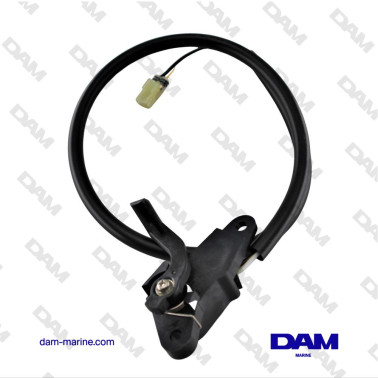
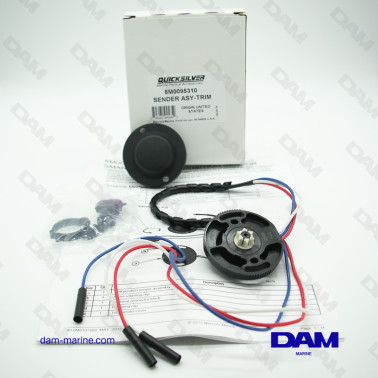
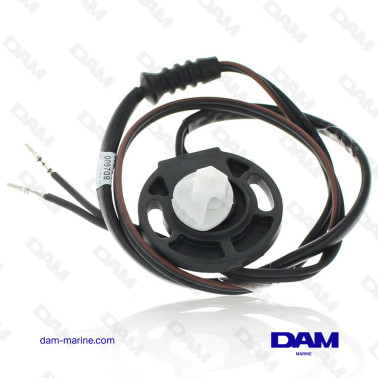
From a technical standpoint, the sensor, often called a potentiometer, acts as the system’s sender. Installed at the sterndrive or engine bracket, it converts the physical position of the ram into an electrical signal. This information is then sent to the gauge located on the dashboard, allowing the boater to know the exact lift angle without having to look back. It is a major safety tool for avoiding damage to the sterndrive during maneuvers in shallow water or in cluttered fresh water.
DAM Marine’s advice: optimal trim adjustment can reduce your fuel consumption by up to 15% by limiting the hull’s hydrodynamic drag.
Select your engine brand: Volvo, Mercury, Yamaha
To guarantee perfect compatibility and maximum durability, DAM Marine distributes a wide range of accessories and spare parts suitable for the world’s leading engine manufacturers. Each manufacturer uses specific technologies, requiring dedicated components to ensure signal transmission:
Mercury / Mercruiser: we offer specific models for the famous sterndrivesAlpha One, Bravo, as well as for outboard engines from 30 to 400 HP.
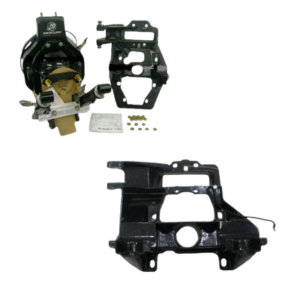
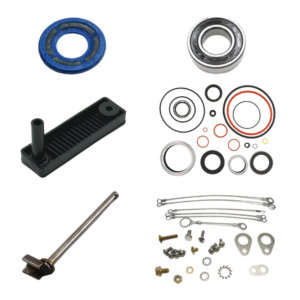
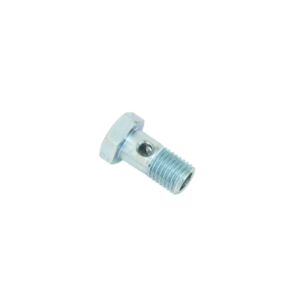
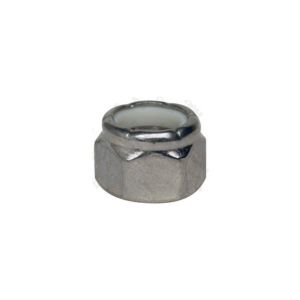
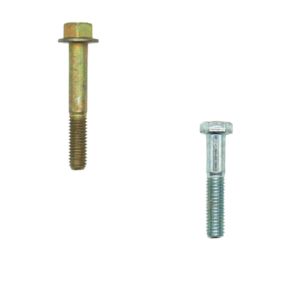
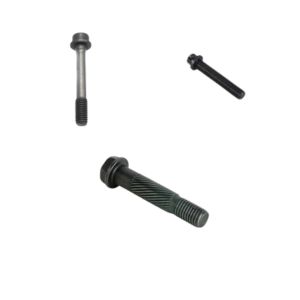
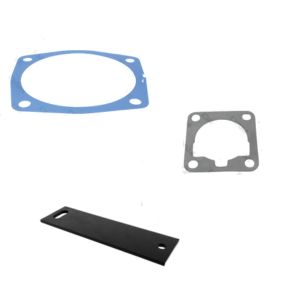
Volvo Penta: find robust solutions for your inboard Z-Drive transmissions, including gaskets kits and the necessary fasteners.
Yamaha and Suzuki: high-precision angle sensors designed for outboard engines of all generations, from 25 HP to 350 HP.
The diversity of our catalog allows us to meet every need, whether you are looking for an original manufacturer part or a quality adaptable alternative. We invite you to browse our dedicated brand categories to find the exact reference matching your serial number.
Symptoms of a faulty trim sensor and diagnosis
Identifying an angle indicator failure is essential to maintain steering comfort. The most common sign of a faulty sensor is a needle on the gauge that remains stuck in the up or down position, or moves jerkily with no relation to the actual tilt of the engine. In some cases, the display may become completely erratic, making trim angle adjustment impossible without visual reference.
The main cause of failure is corrosion. Constantly exposed to seawater and spray, the components undergo oxidation of the connectors or moisture infiltration into the potentiometer housing. Before replacing the part, it is advisable to carry out a technical test using a multimeter. You need to measure the resistance (Ohms) at the sensor terminals while operating the trim. You should observe a smooth variation in the value, with no break (infinite resistance) and no sudden jump. Always refer to your engine’s workshop manual for the exact resistance values (e.g. 10-167 Ohms for certain Mercury models), as they differ depending on the manufacturer.
Observed symptom
Probable cause
Needle stuck at maximum
Open circuit or broken wire
Unstable values while navigating
Oxidation of the contacts or worn internal track
Display stuck at the bottom
Short circuit or sensor seized
Choosing correctly: analog (2-wire) or digital (3-wire)
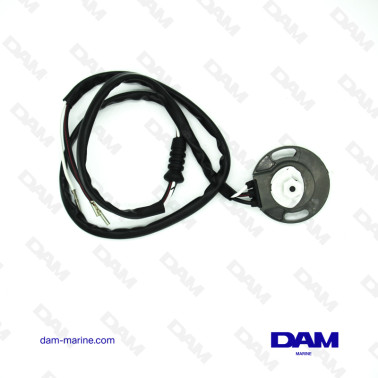
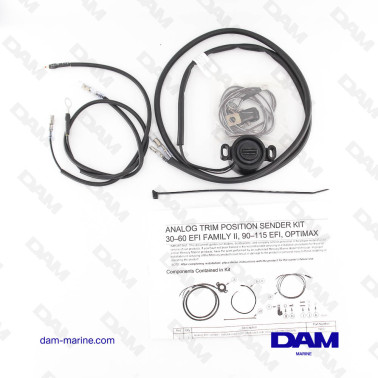
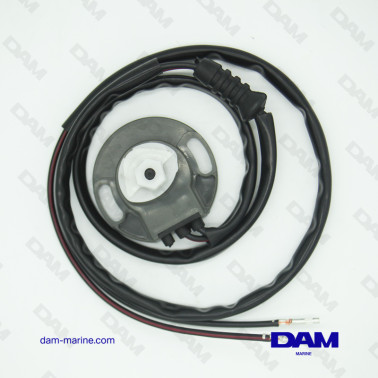
A major technical confusion when purchasing lies in choosing between an analog or digital model. The sensor of the analog type generally uses a 2-wire harness. Its operation is based on a simple variation in electrical resistance to drive a classic needle gauge. This is the most common setup on older engines or standard systems.
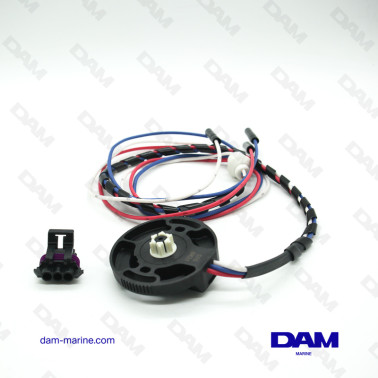
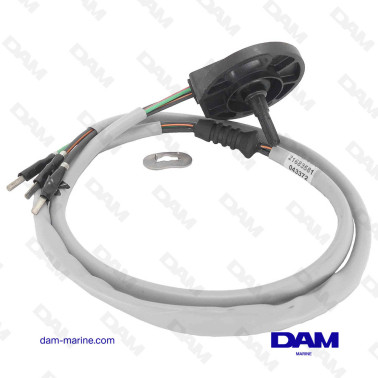
Conversely, the digital sensor (often linked to SmartCraft or NMEA technologies) uses a 3-wire harness. This system transmits much more precise digital data to the boat’s computer network, allowing display on multifunction screens. When ordering, you must check the shape of the connectors (round or flat) and the wire colors (often black for ground). Also note that on some Mercruiser setups, the position sensor is located on the starboard side, while the trim limit switch is located on the port side of the ram.
Important check: always count the number of wires coming out of your current part before confirming your cart to avoid any compatibility error.
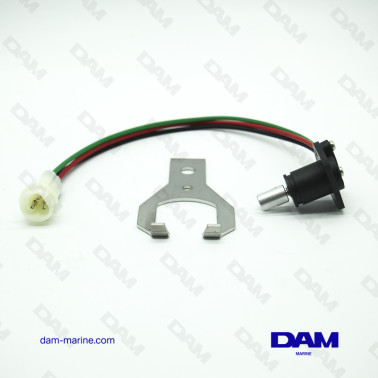
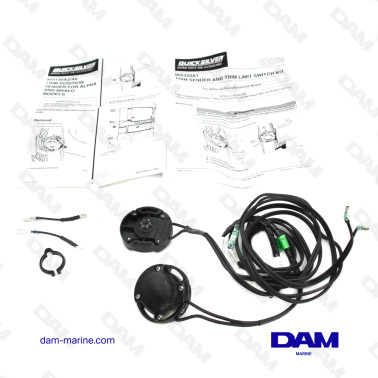
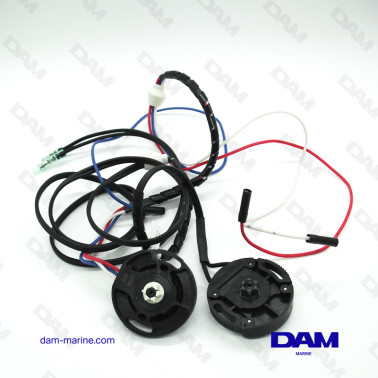
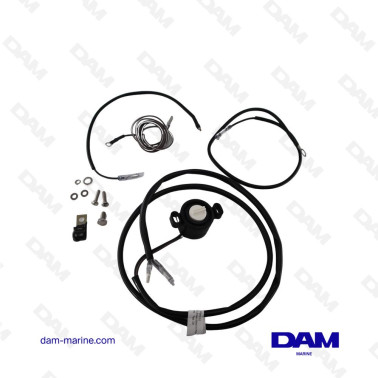
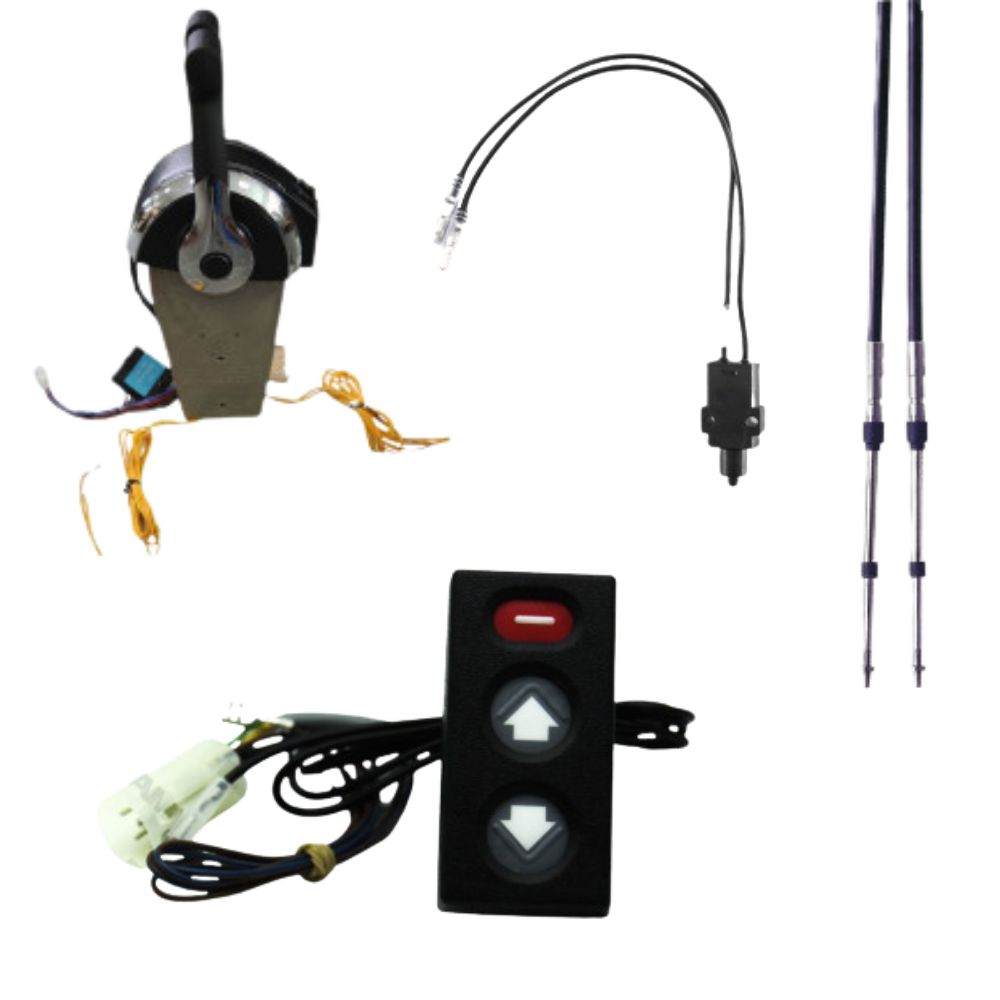
Trim sensor kit for Mercruiser outboard including a Smartcraft 3-wire trim sensor and a 2-wire analog trim sensor for all Mercruiser engines equipped with Smartcraft instrumentation requiring an analog input.



 Catalog
 Exploded views
















 Honda Marine















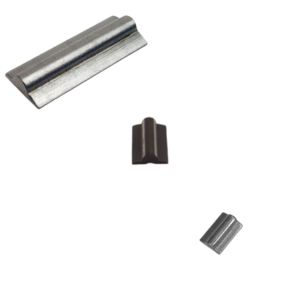
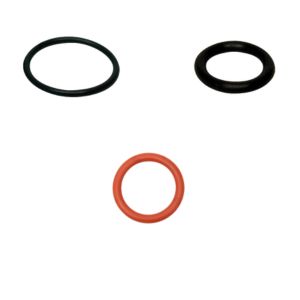
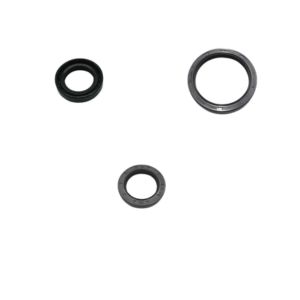
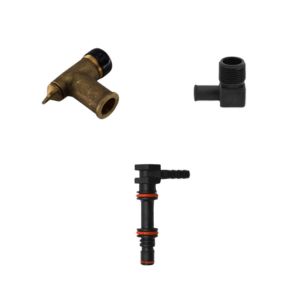
 Parts views
 Technical documents
 Ask for a quote
 Return request