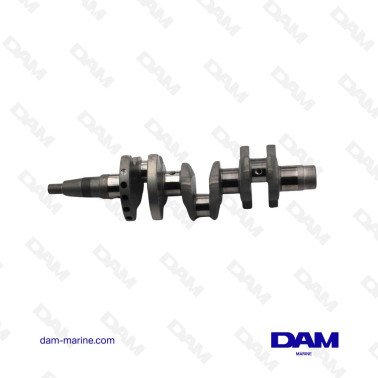
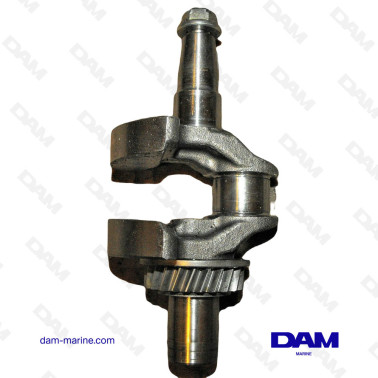
How do you identify the right crankshaft for your Suzuki outboard?
Precision matters. Record the exact model and year of your engine from its identification plate. Within the same horsepower, for example DF115 or DF150, engine-block generations evolve and crankshafts are not interchangeable.
If you are rebuilding the engine, also check whether you need standard-size bearings or repair-size bearings, if the crankshaft has already been reground.
What are the signs of a tired lower engine?
Certain symptoms should alert you quickly to avoid major damage to your Suzuki block. The most critical warning remains the oil-pressure alarm: if it triggers, switch off immediately, because every additional crankshaft revolution worsens journal wear.
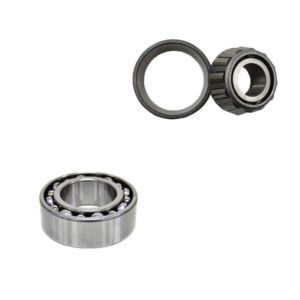
By ear, other signs are revealing. A metallic noise on cold start that fades after a few seconds often indicates excessive clearance while oil pressure builds in the circuit. While cruising, if you hear a dull knocking under load, it is the typical symptom of pronounced wear in the connecting-rod or main bearings.
On the lubrication side, watch for a possible drop in hot idle oil pressure. As oil becomes more fluid at high temperature, it escapes too quickly if bearing clearance is out of tolerance. Finally, visual inspection during maintenance is decisive: oil turned into mayonnaise, or emulsion, indicates water presence that instantly destroys the oil film. Likewise, finding metal filings or shiny particles in the oil filter unfortunately confirms lower-engine degradation and the need for intervention.
Regrind, replace or change the block: which option should you choose?
Several choices are available depending on the mechanical condition:
- Regrinding, with repair-size bearings: the most economical solution, provided the crankshaft is not bent, wear is minimal, and Suzuki offers the parts for your model.
- A new crankshaft: the safe and reliable choice if the old one is too scratched, cracked or out of tolerance.
- Engine-block replacement, or complete engine replacement: an option to price on older engines, especially if metal filings have circulated through all oil galleries or if the total rebuild cost exceeds the value of the outboard.
What are the golden rules for successful installation?
Replacing a crankshaft requires method and cleanliness:
- Measure before assembly: bearing clearance must be checked with calibrated strip, such as Plastigage, or with a micrometer. Visual inspection is not enough.
- Hunt down every impurity: meticulously clean all oil galleries. A single metal residue could destroy your new bearings.
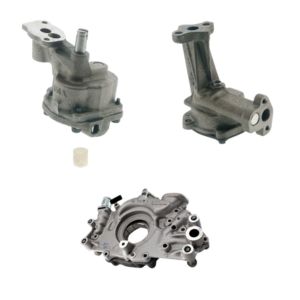
- Secure the oil circuit: if oil pressure caused the failure, replace the oil pump as a matter of course, along with the filter.
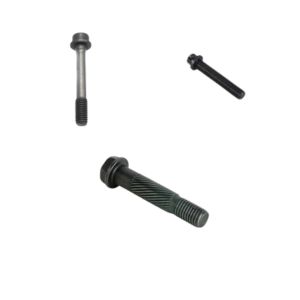
- Respect tightening procedures: follow the order and torque for the main bearing caps. Replace torque-to-yield bolts, or angle-tightened bolts, if the workshop manual requires it.
- Check end float: an essential step once the crankshaft is in place.
- Prime the circuit: build oil pressure before the very first real start to protect your new parts.



 Catalog
 Exploded views
















 Honda Marine









 Parts views
 Technical documents
 Ask for a quote
 Return request